


1
Question & Hypothesis
Pose Questions & Hypotheses
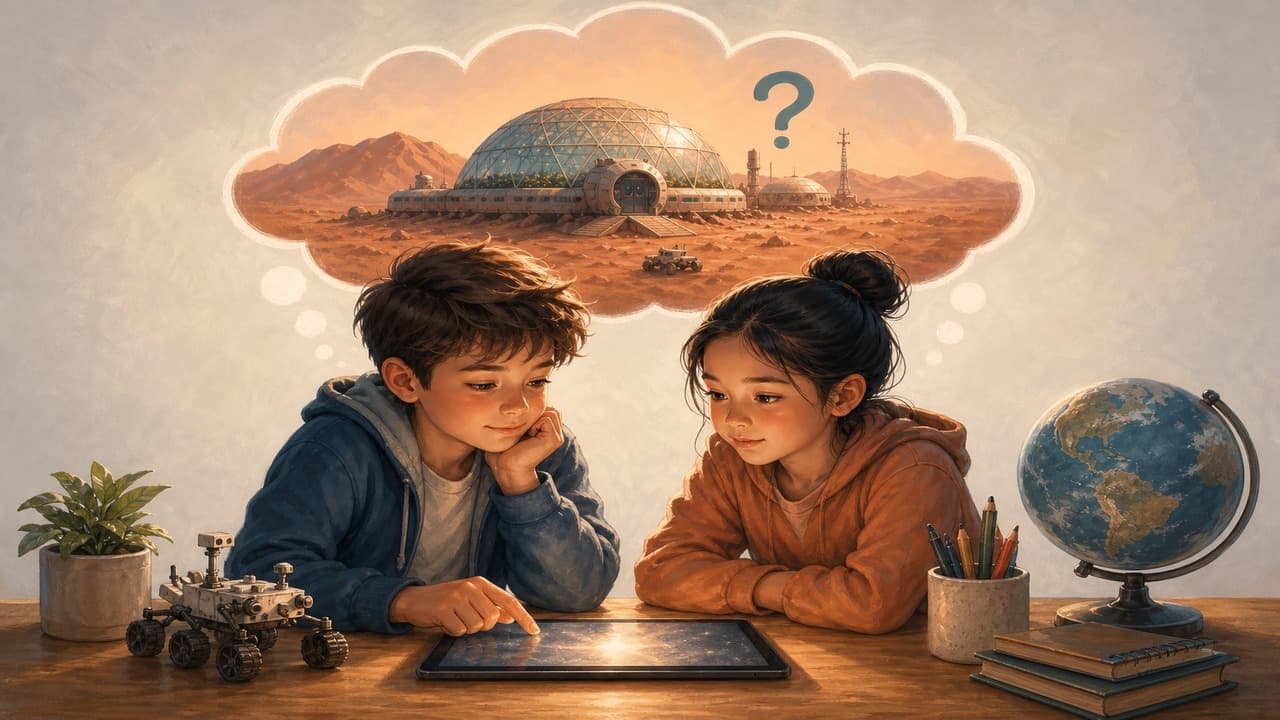
Focus on extreme lunar/Martian construction challenges; ask how local resources can enable AI + 3D automated bases; form verifiable technical hypotheses and set a clear inquiry direction.
 DomiKidsAI
An all-in-one AI learning companion for kids — learning through chat, making, and exploration.
Join Growth PlanChat Sprites
Art Wizard
Animation Studio
HABITAT SYSTEM / INITIALIZING
Human Habitability ProgramDEEP SPACE BASE READY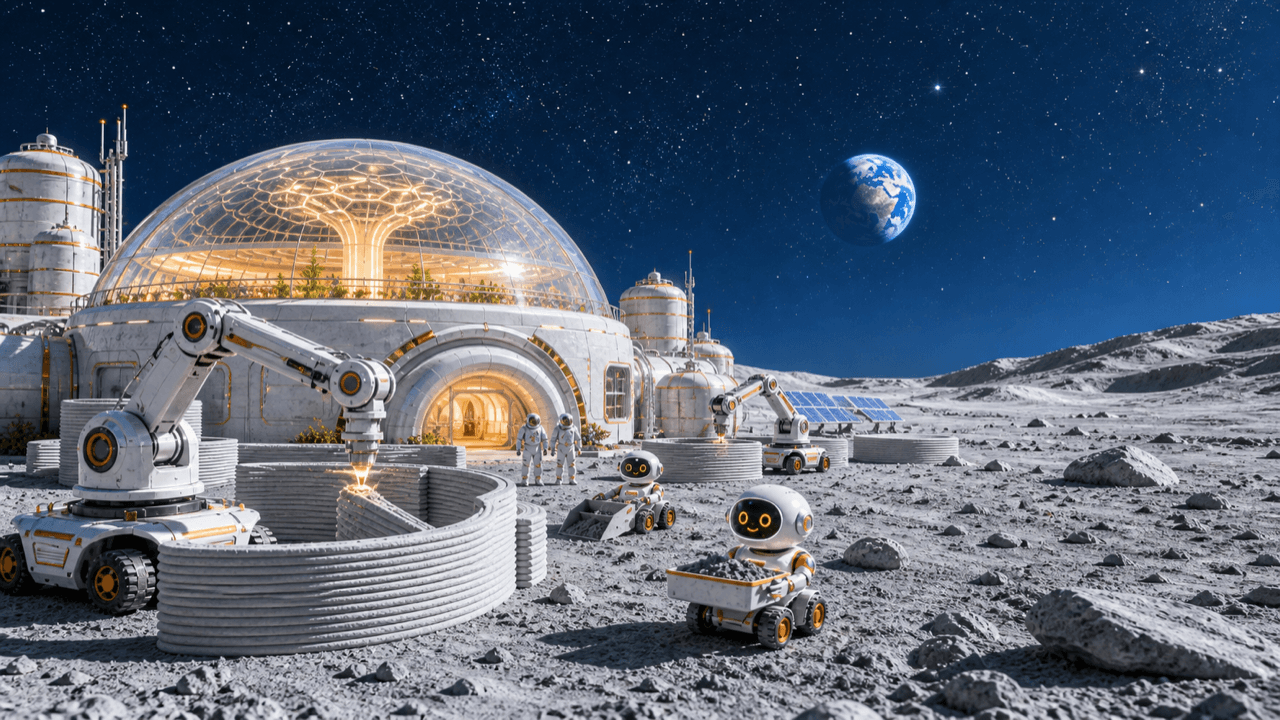
Built on Domi AI / Shenbi Maliang AI (domikids.cn)—a youth Maker Engine—this program combines 3D printing, mechatronics, and mixed-media craft into panoramic, multi-scene habitat sandboxes. Anchored in China's key deep-space research theme [Lunar Regolith ISRU & Surface 3D Construction], it extends the idea of unmanned, autonomous base-building across scenes, spaces, and scales—uniting AI making design with aerospace STEM engineering practice in one end-to-end project course.
Developed from the national key research theme: Lunar Regolith ISRU & Surface 3D Construction
Course length: 6 lessons
YOUTH SCIENTIFIC INQUIRY MODEL
Student-led · Teacher-guided · Assessment throughout
Closed-loop learningScientific inquiry is a core K–12 competency. China's hands-on science education guidelines outline a complete process: pose questions and hypotheses, design a plan, gather and analyze evidence, draw and explain conclusions, prototype and improve, then communicate and reflect.
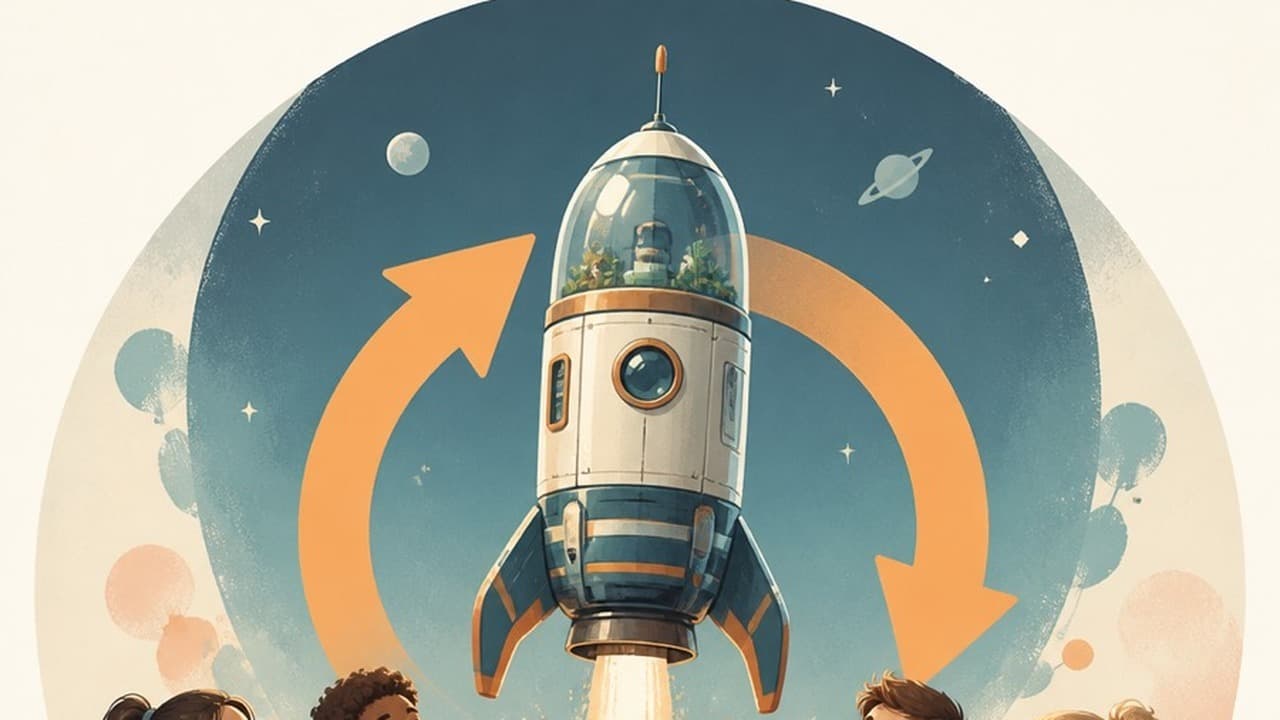
Closed-loop learning
Focus on extreme lunar/Martian construction challenges; ask how local resources can enable AI + 3D automated bases; form verifiable technical hypotheses and set a clear inquiry direction.
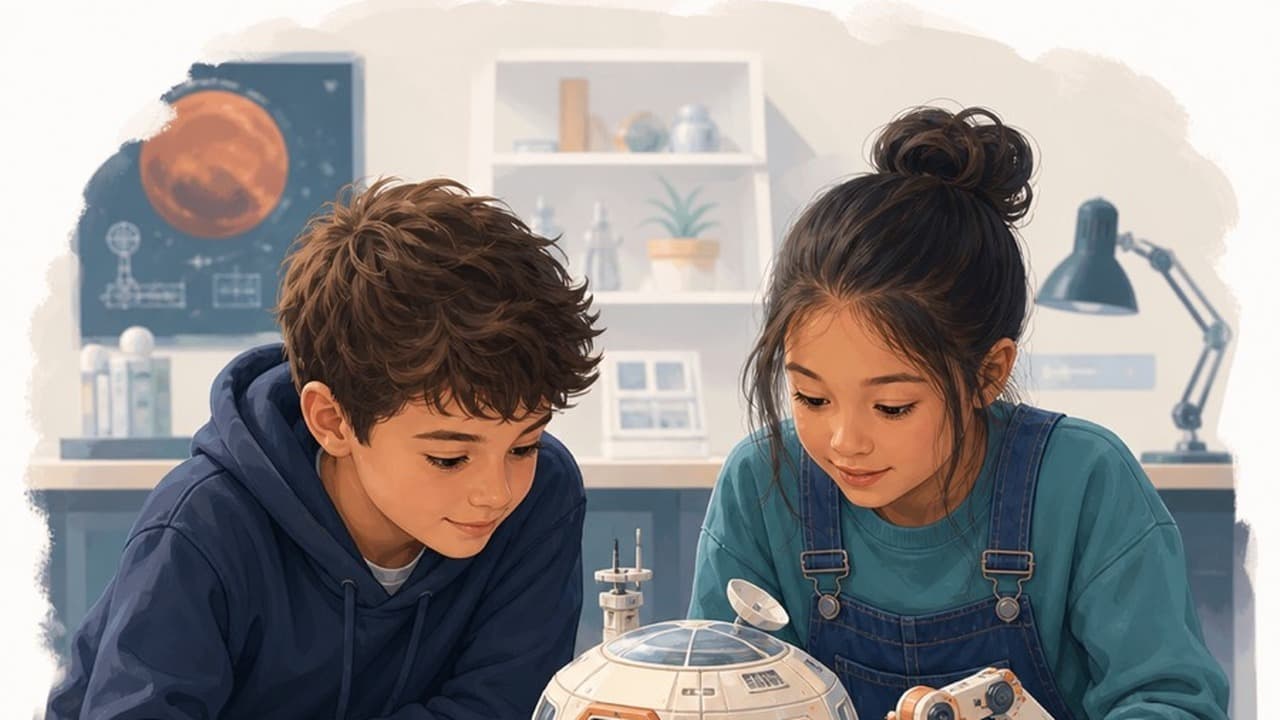
Map the full chain—resource collection → material modification → AI modeling → automated printing; design base functions, robotic-arm workflows, and supporting modules into a workable proposal.
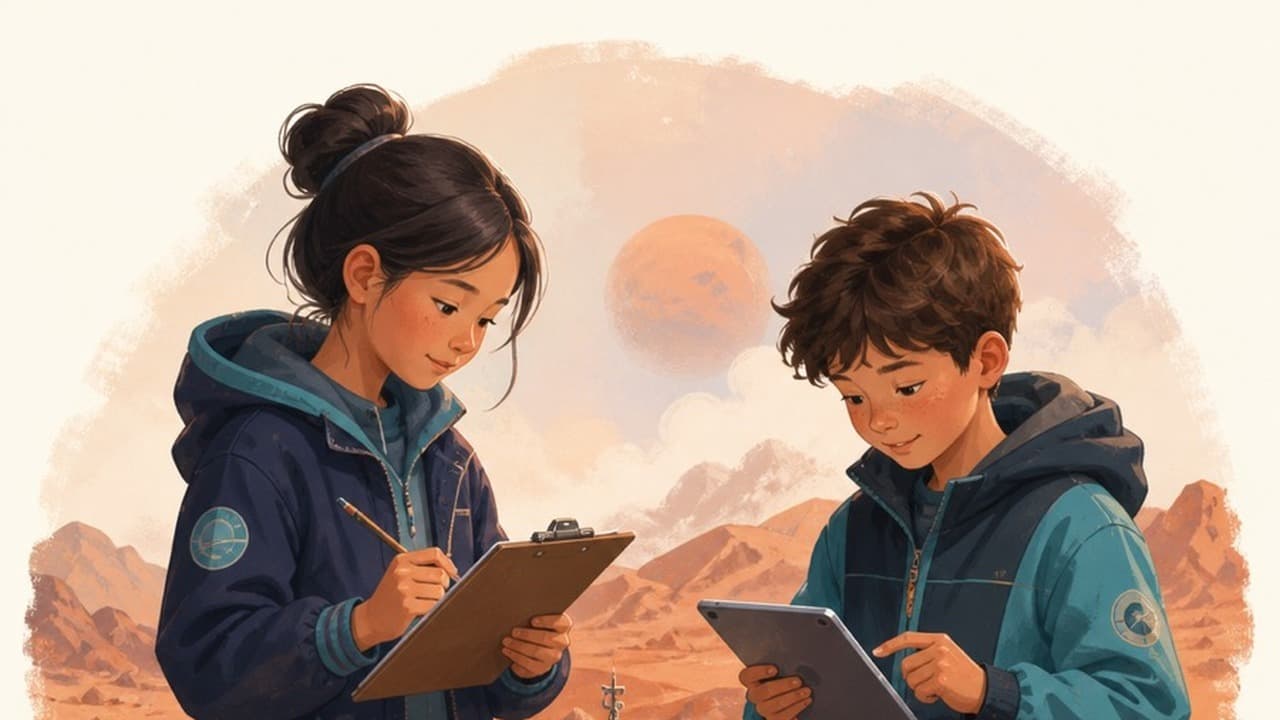
Research target-body environment parameters, in-situ material properties, and frontier engineering cases; simulate structural performance and AI build efficiency to validate the scheme from multiple angles.

Use data analysis to test the initial hypotheses; summarize core principles of in-situ 3D construction; explain findings scientifically and answer the central question.
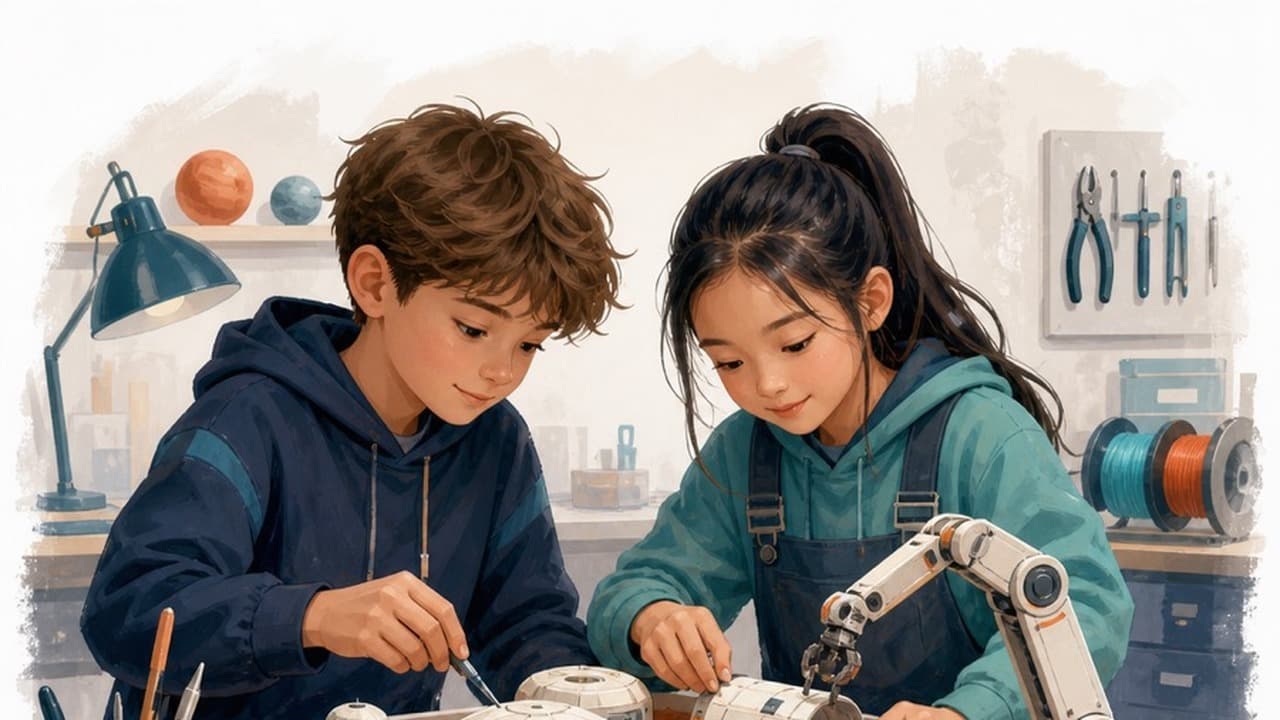
3D-print miniature habitat models, test structural and functional stability, then iterate modules and engineering details against the conclusions.
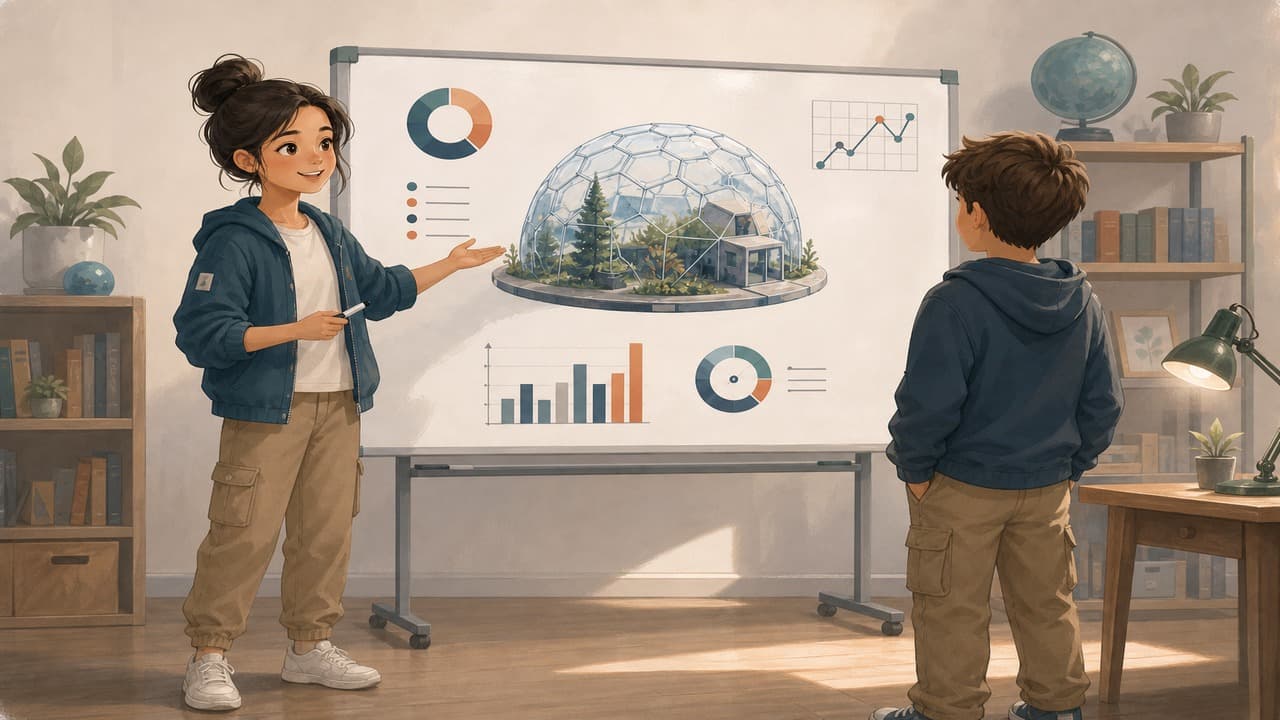
Share inquiry results through defense and peer review; reflect on gaps and limits; build engineering trade-off thinking and scientific reflection habits.
RESEARCH-DRIVEN CONTEST COURSE
Grounded in national lunar-exploration research priorities, frontier deep-space topics, and official youth STEM contest briefs. School–enterprise research provides theoretical support, extending lunar in-situ construction into multi-scenario settlement infrastructure with a real scientific basis.



Delivered on Domikids.ai (Shenbi Maliang AI) for concept art, 3D models, board assets, and promo films—paired with standardized lesson plans, prompt libraries, parts lists, and sandbox build guides for a 6-lesson closed-loop course.
Layered outputs: AI concept art, digital 3D models, powered large habitat sandboxes, contest boards, project videos, and original student reports—ready for STEM contests, copyright registration, and exhibitions.
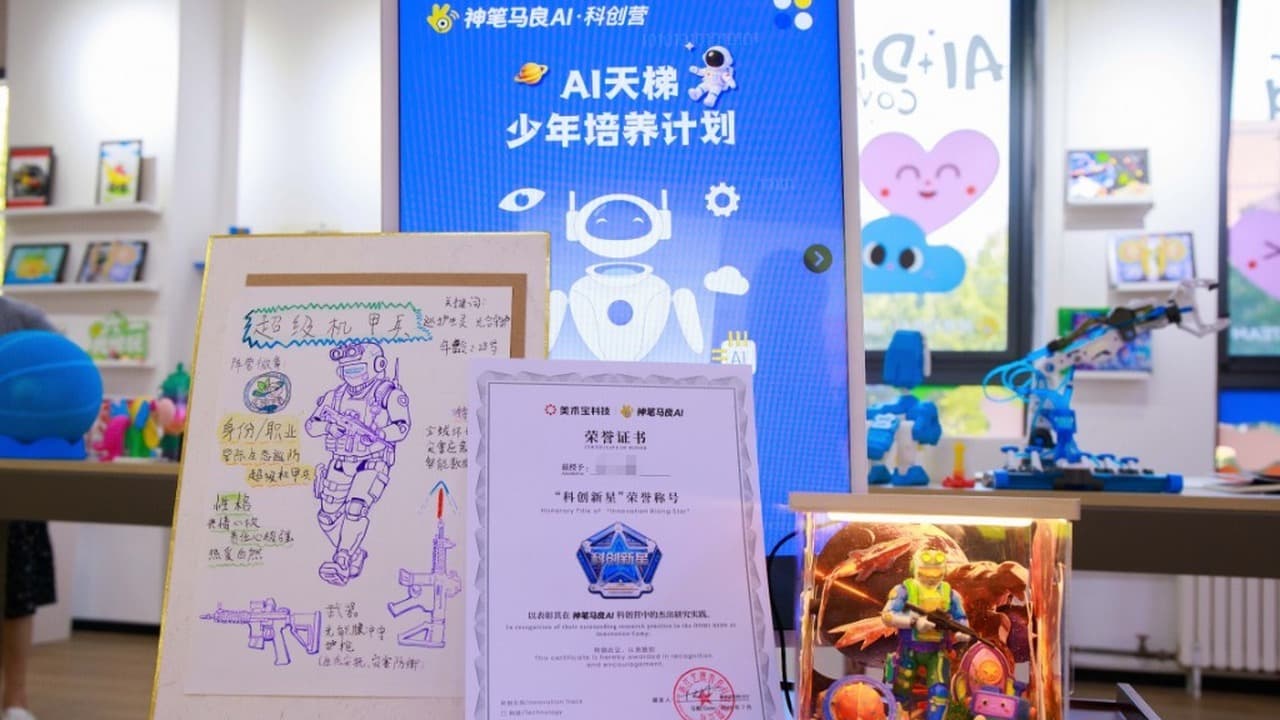
END-TO-END INNOVATION PRACTICE
From scientific concept to physical model—built from 0 to 1
domikids.cn (Domi AI / Shenbi Maliang AI)—youth Maker Engine.
AI art, 3D model generation, copywriting, demo videos, display-board assets, and more…
FOUR AI FUSION DIRECTIONS
Full-stack creation across AI + four domains
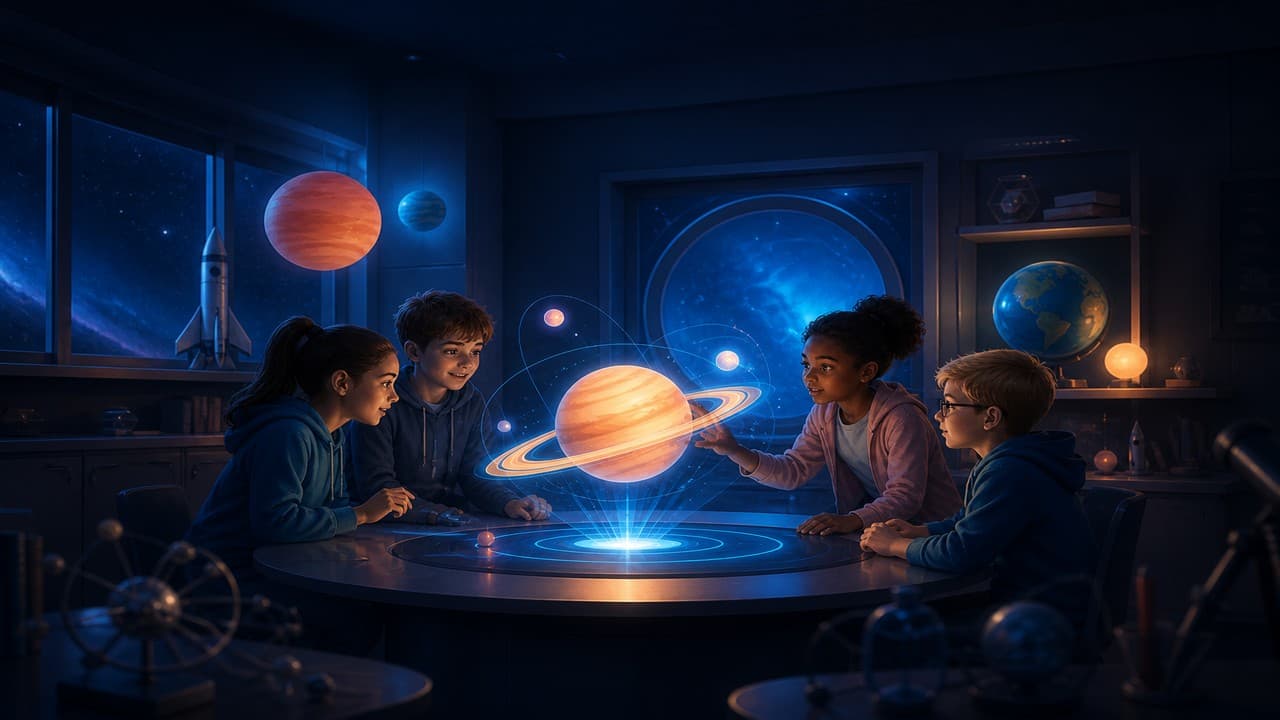
Deep-space base concepts, automated engineering sandboxes, planetary ISRU device modeling, and smart construction system simulation.
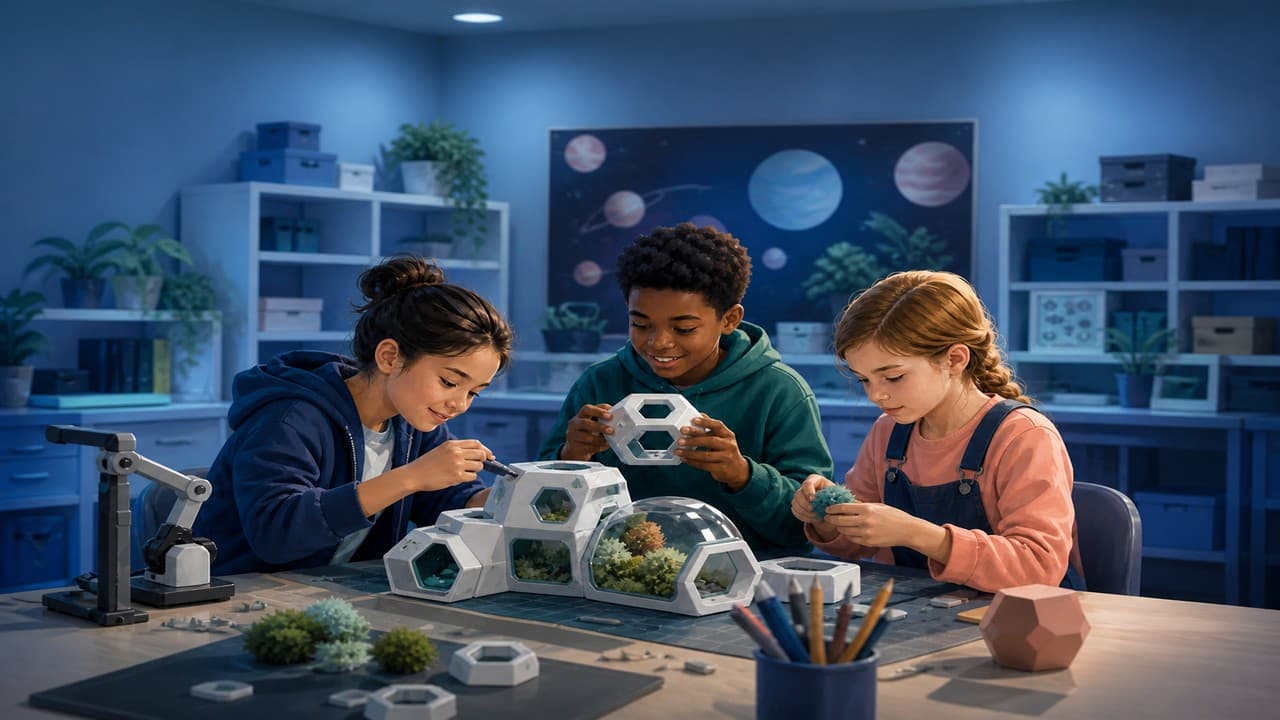
3D part modeling and printing, mixed-material handcraft, terrain scenery, and large integrated sandbox builds.
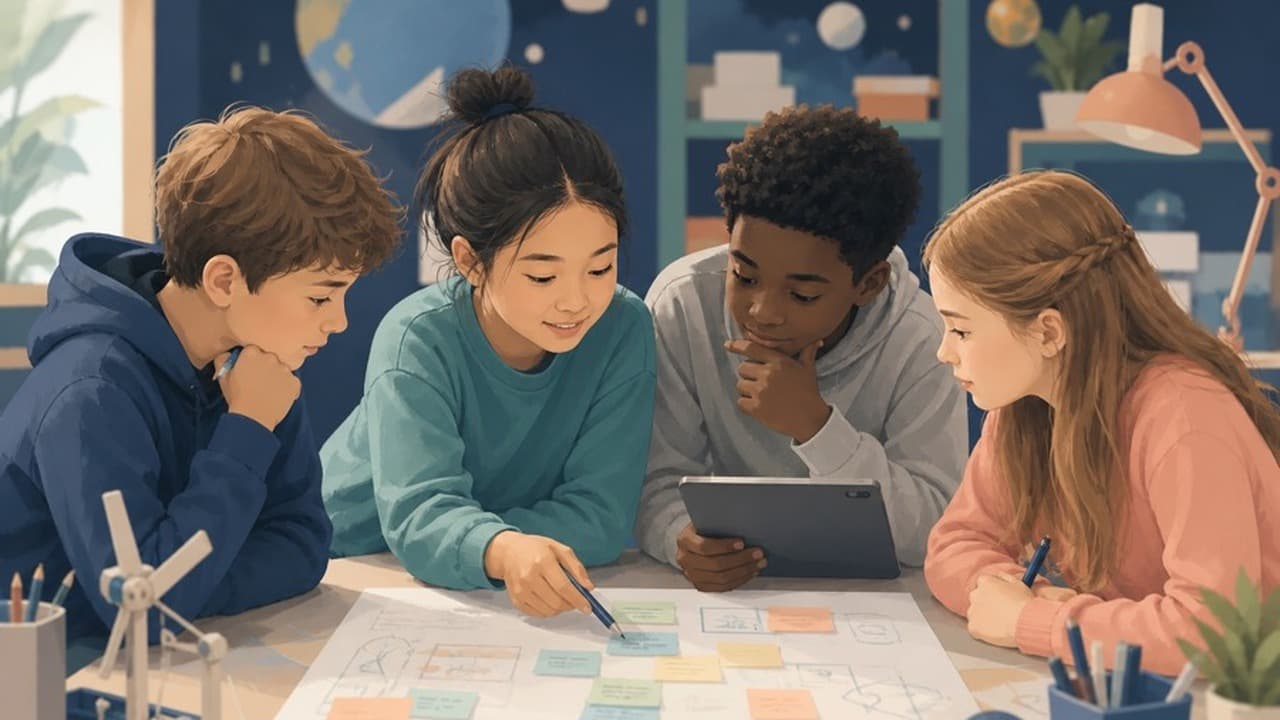
Research reading, project logic, teamwork, pitch & defense skills, and creative thinking practice.
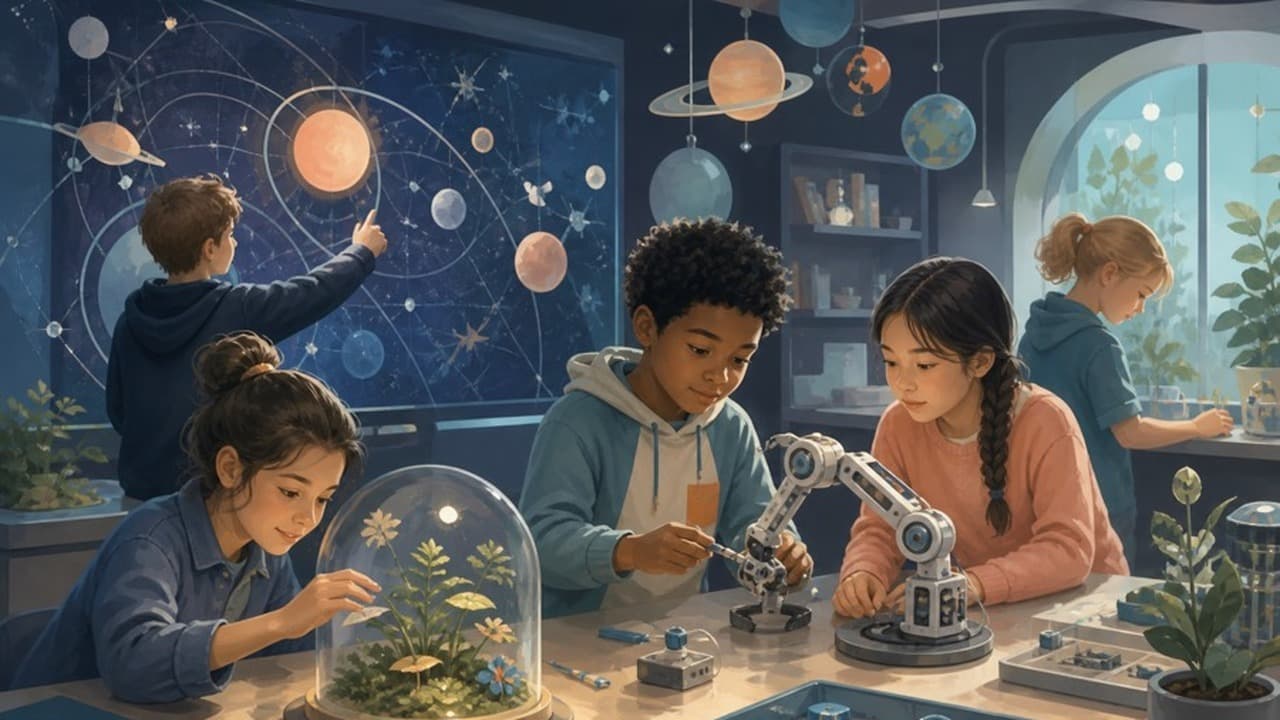
Project-based learning across planetary science, aerospace engineering, automation, and resource-loop systems.
DUAL TECHNOLOGY FOUNDATIONS
Hardware coding & AI prompting to support invention end-to-end
Hands-on 3D printing, mechanical assembly, powered module build & debug (radar, satellite, conveyor, robotic arm), sandbox scenery, and physical model making.
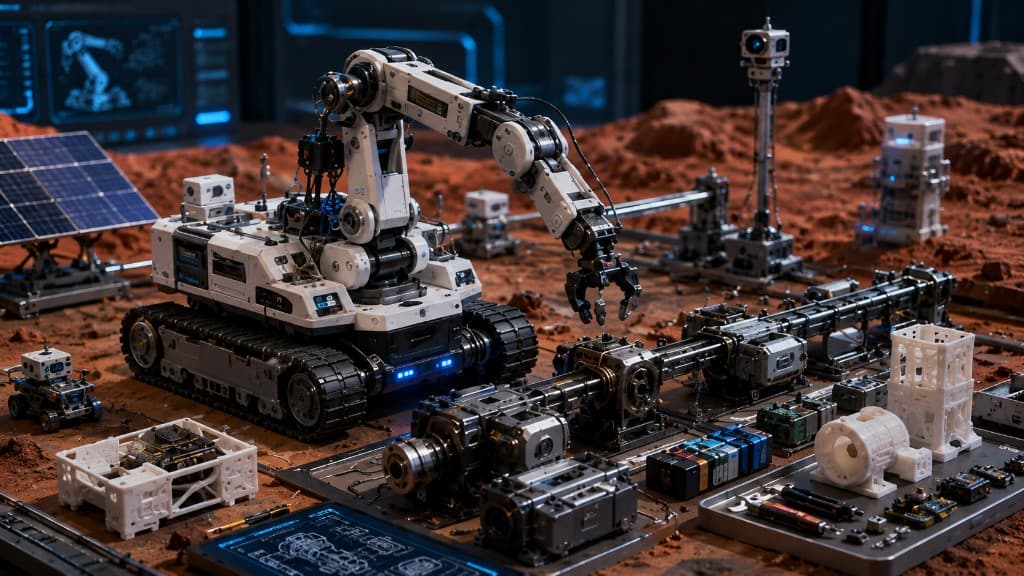
Prompt engineering, AIGC concept art, display-board copy & graphics, project demo videos, and iterative proposal refinement.
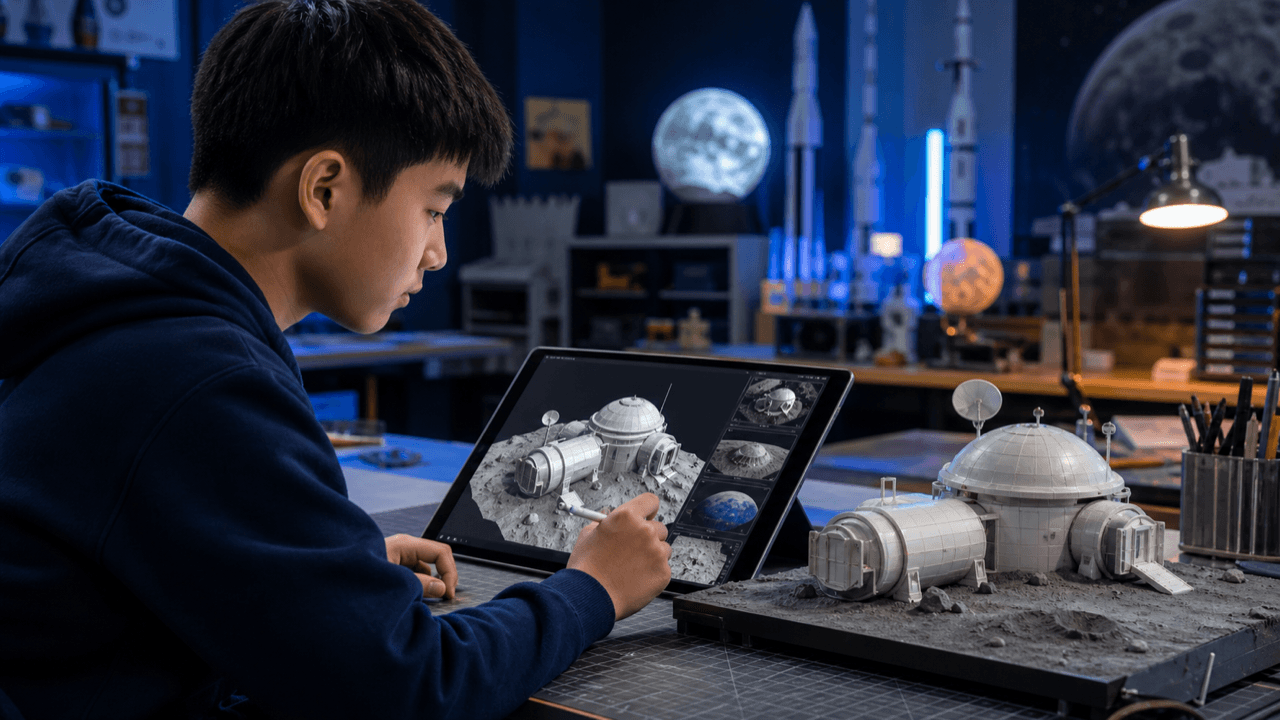
The full model is an integrated panoramic habitat sandbox that restores the complete work chain—from mining and material transport to AI 3D construction, power supply, crew presence, and deep-space communications—with multiple powered moving mechanisms for contest display.
OVERALL COURSE GOALS
Centered on building solar-system habitability bases—and on three core technology tracks: in-situ resource utilization, AI-assisted design, and automated 3D construction—students complete a full journey from scientific inquiry to engineering delivery, building interdisciplinary knowledge and STEM innovation skills.
Learn the national lunar-regolith ISRU and lunar 3D construction research theme; analogize multi-scene, multi-space, multi-dimension ISRU approaches; explore frontier deep-space and settlement knowledge.
Understand 3D printing principles and hands-on workflows; master Domi AI (Shenbi Maliang AI) to generate concept art, board copy, project assets, and demo shorts.
Simulate AI-automated construction across habitability scenes; build an integrated engineering model with robotic arms, conveyors, and AI printing systems.
Create habitability terrain scenes with mixed materials; learn sandbox coloring, set dressing, and spatial visual design.
Apply scale and dimensional measurement while building; plan sandbox layout and component placement.
In teams, complete part design, 3D printing, handmade assembly, basic circuit debugging, and sandbox scenery.
Build engineering thinking, innovative design, and teamwork; form a clear STEM creation workflow; independently write creation statements and defense scripts.
HABITAT MISSION CONSOLE
Complete a full scientific decision—from target selection to engineering evaluation
Compare Mars, Moon, Europa, Titan, and other solar-system habitability candidates on baseline conditions.
Mars
CLOSED-LOOP LEARNING
6-Lesson End-to-End Creative Pathway
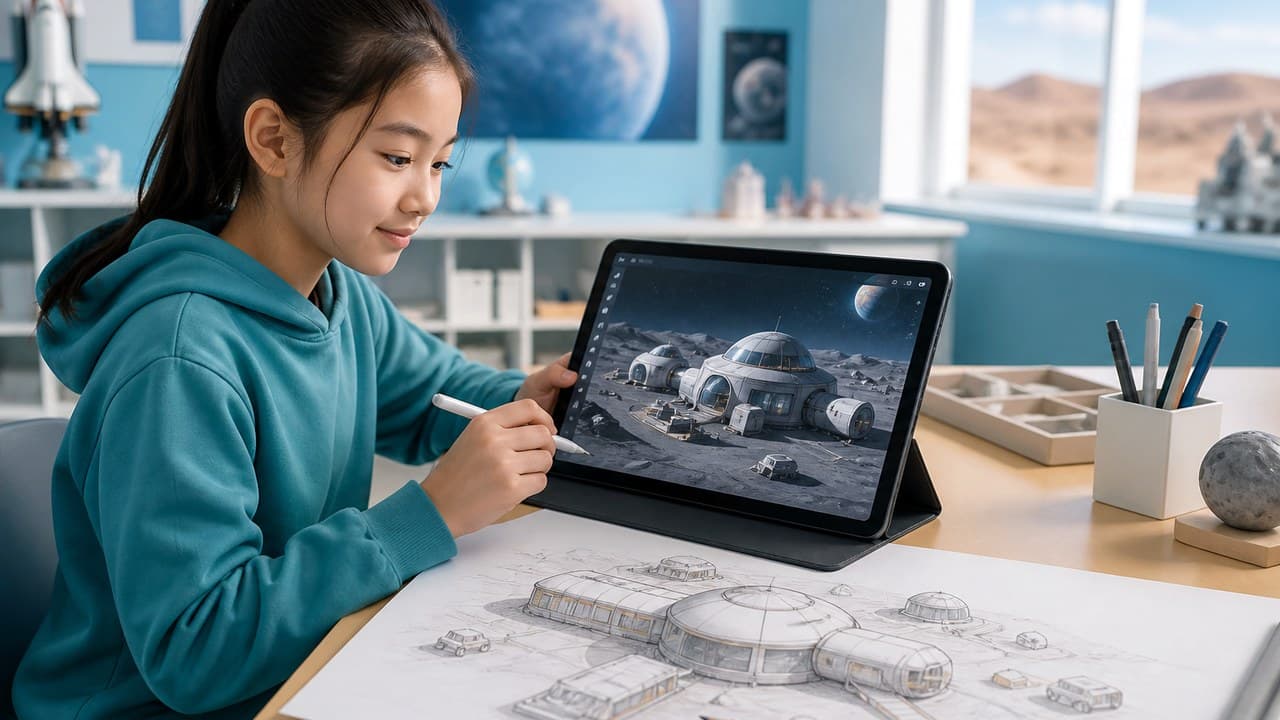
Course content: Introduce the national lunar-regolith ISRU research theme and extend it to multi-scene habitat building; explain environmental challenges and ISRU principles. Demo Domi AI (Shenbi Maliang AI); students generate early habitat concept art, sketch sandbox layouts, and assign team roles.
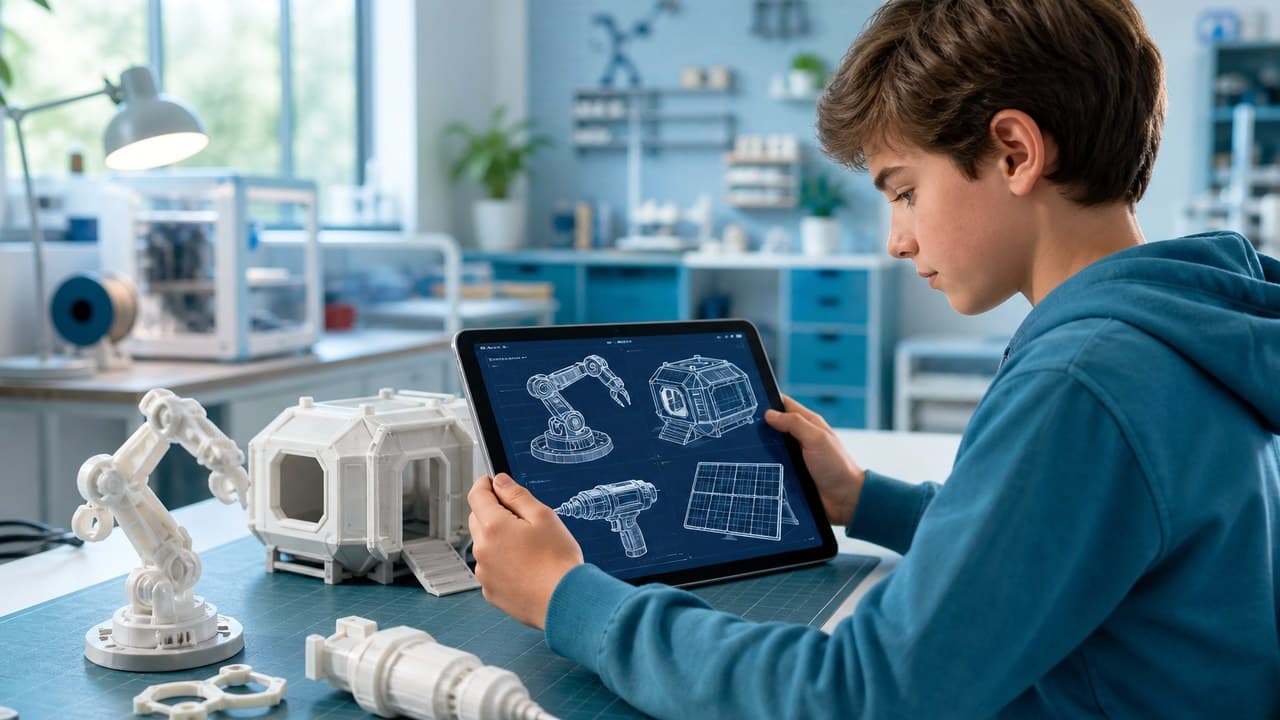
Course content: Cover 3D printing fundamentals and modeling logic. From the prior AI concept art, break parts into robotic arms, cabins, drills, solar arrays, printers and more. Teams draft part sketches, finalize the printable list, and start printing.
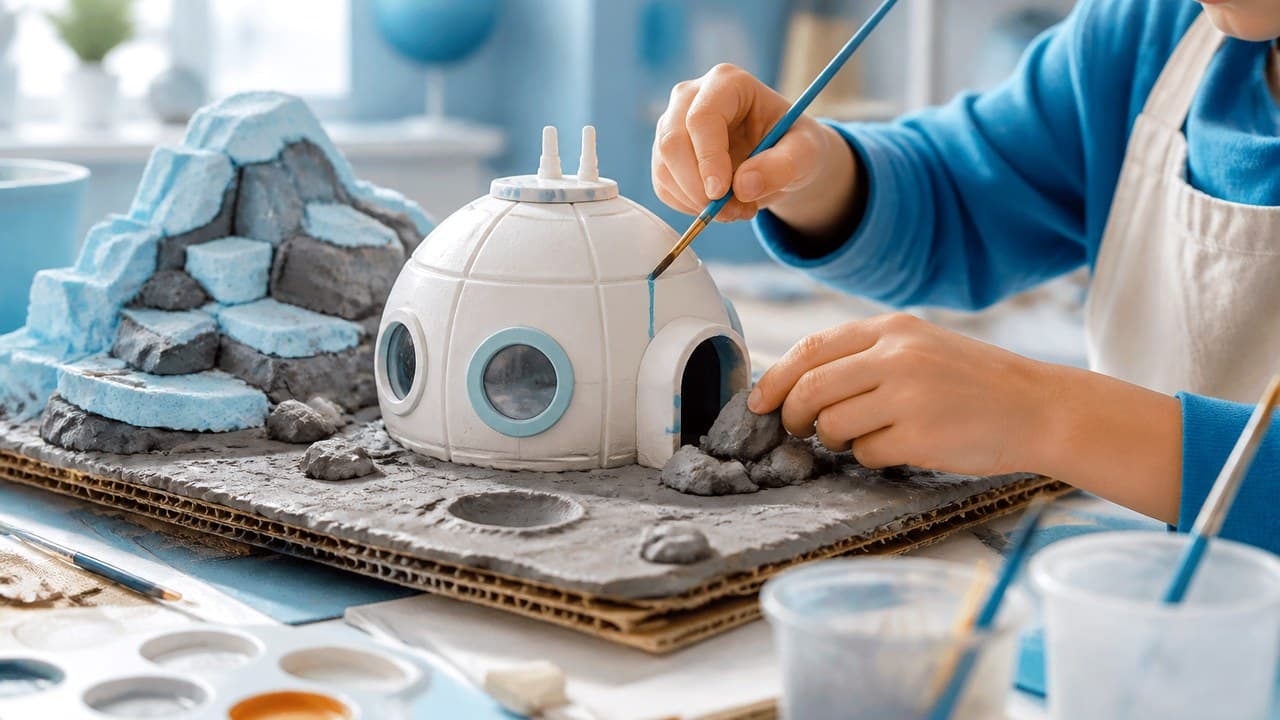
Course content: Finish print cleanup and painting while crafting non-printed parts by hand. Use board, clay, acrylic and foam for terrain, mountains and desert landforms; build conveyor frames, fences and simple cabin shells as the sandbox base layer.
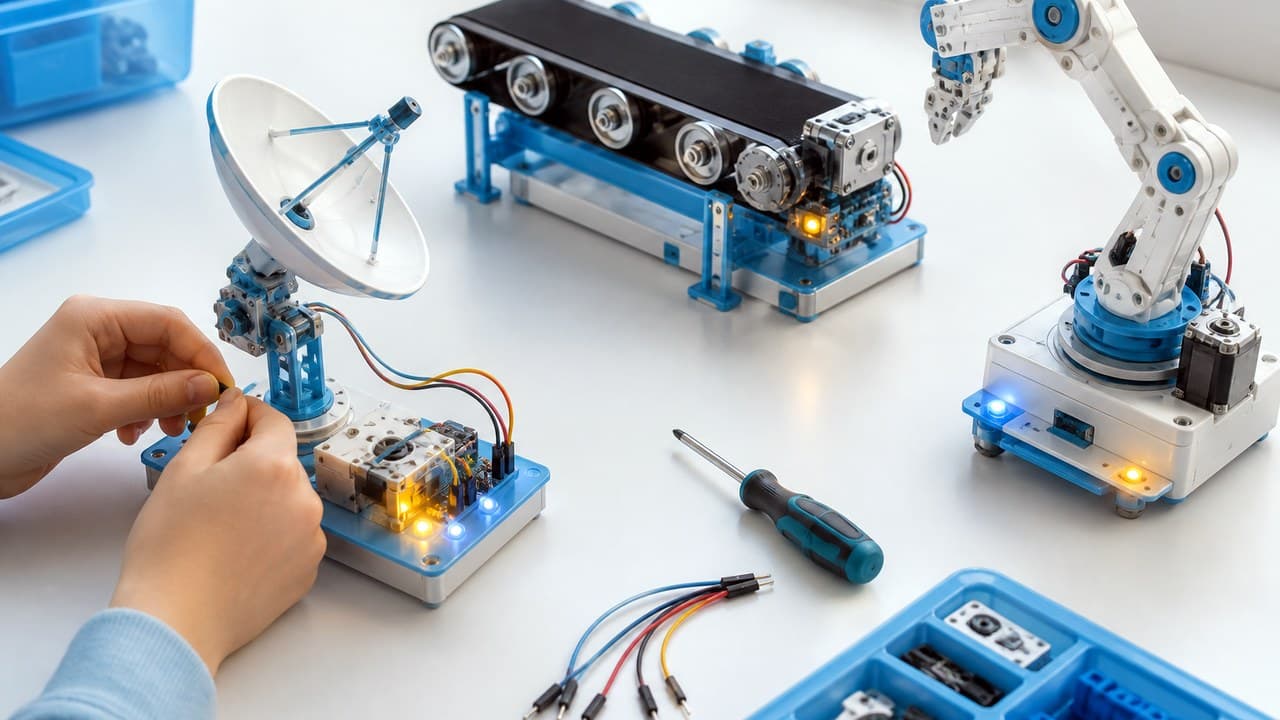
Course content: Assemble motorized modules—rotating radar, satellite motion and conveyor drive; practice basic power wiring; install arm mounts and antennas; run functional tests on all powered parts.
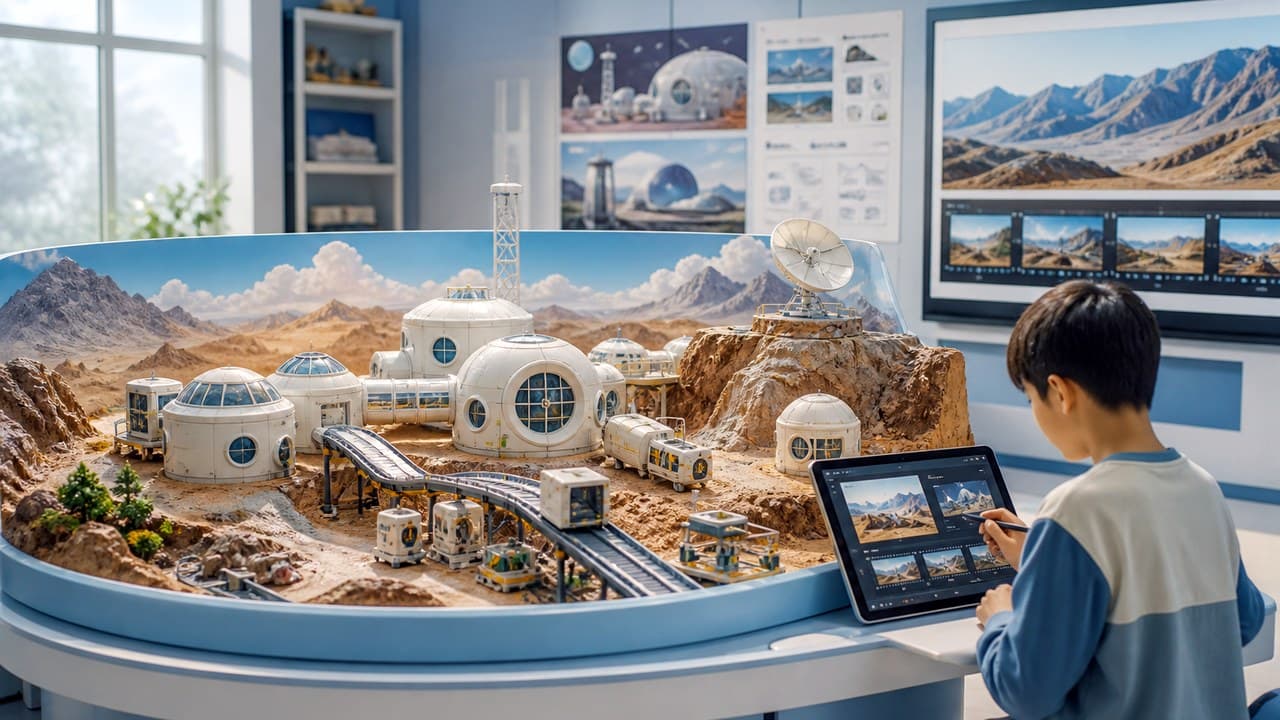
Course content: Mount all parts on the sandbox base and finish habitat layout; paint and dress rock, dust and surface scenes. Continue with Domi AI for board imagery and project copy, assemble contest-board assets, and generate a presentation video.
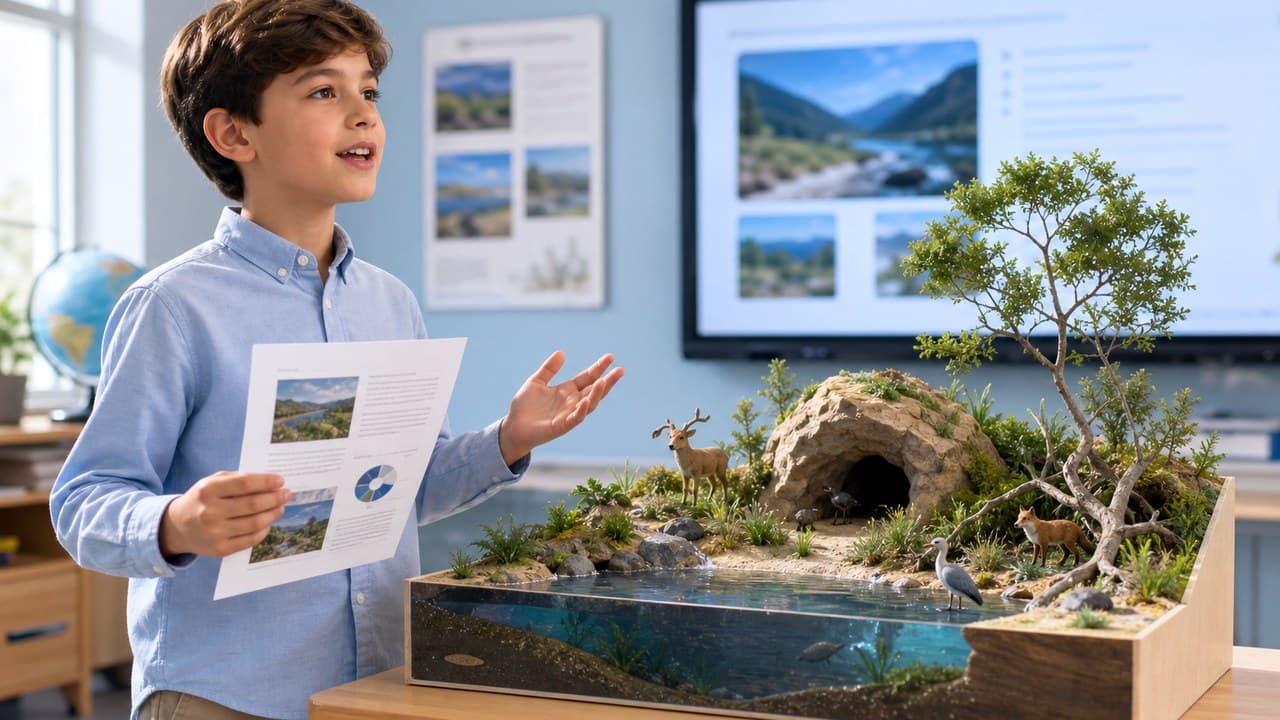
Course content: Refine sandbox details and decoration. Guide original creation statements and pitch scripts; run mock defenses; each student presents their thinking and understanding for the final showcase.
INNOVATION HIGHLIGHTS
National research directions · Interdisciplinary fusion
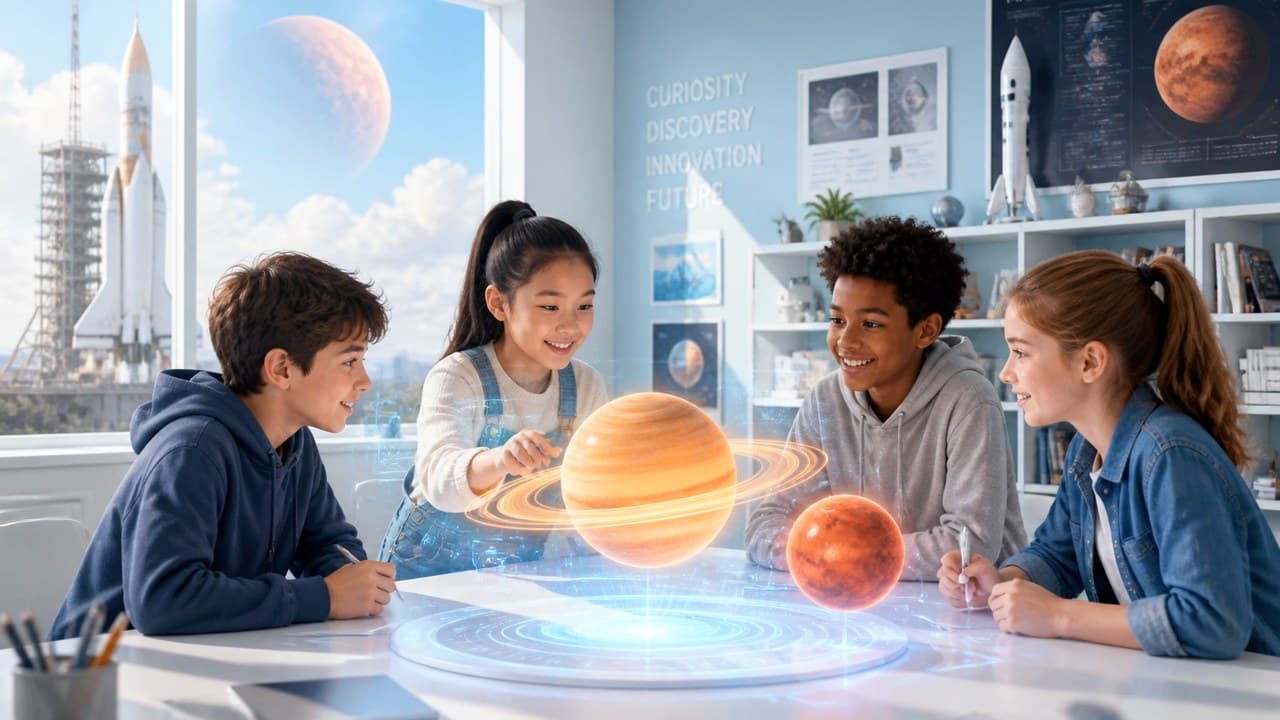
Anchored in real national aerospace research priorities—extending lunar in-situ construction toward Mars settlement concepts—with frontier topics grounded in evidence.
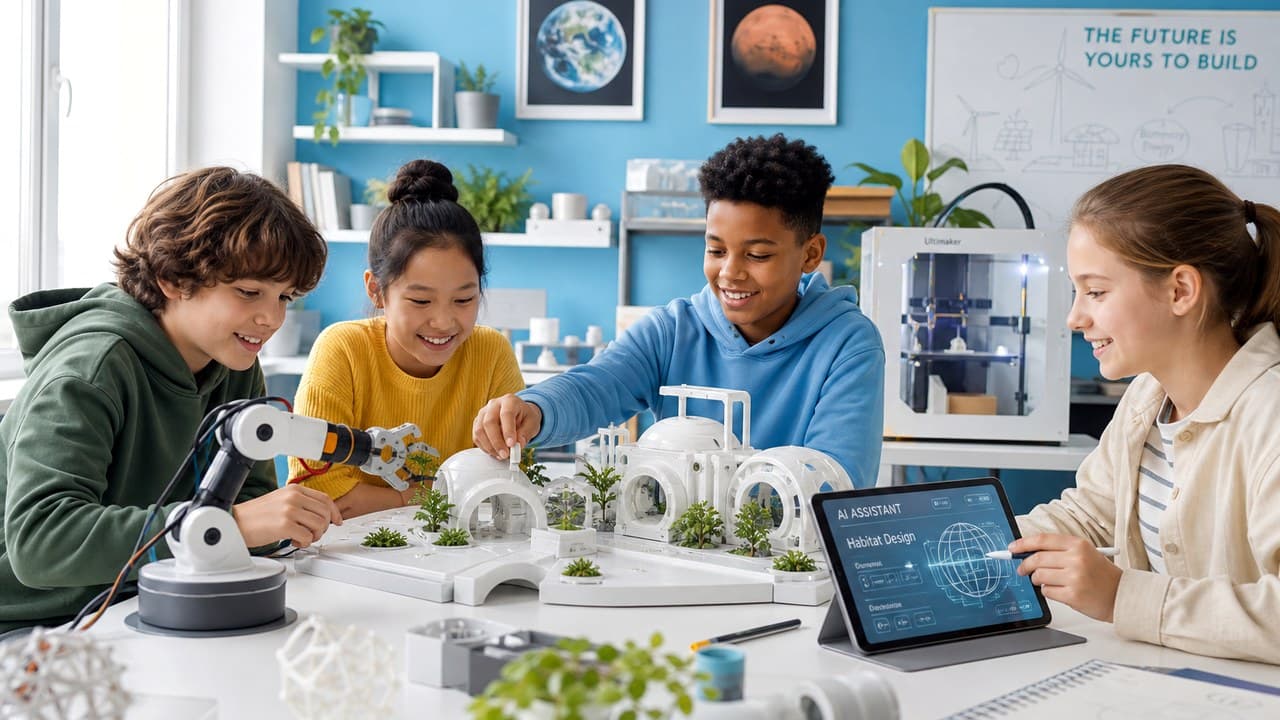
Interdisciplinary fusion of AI, 3D printing, mechatronics, and mixed-media model making.
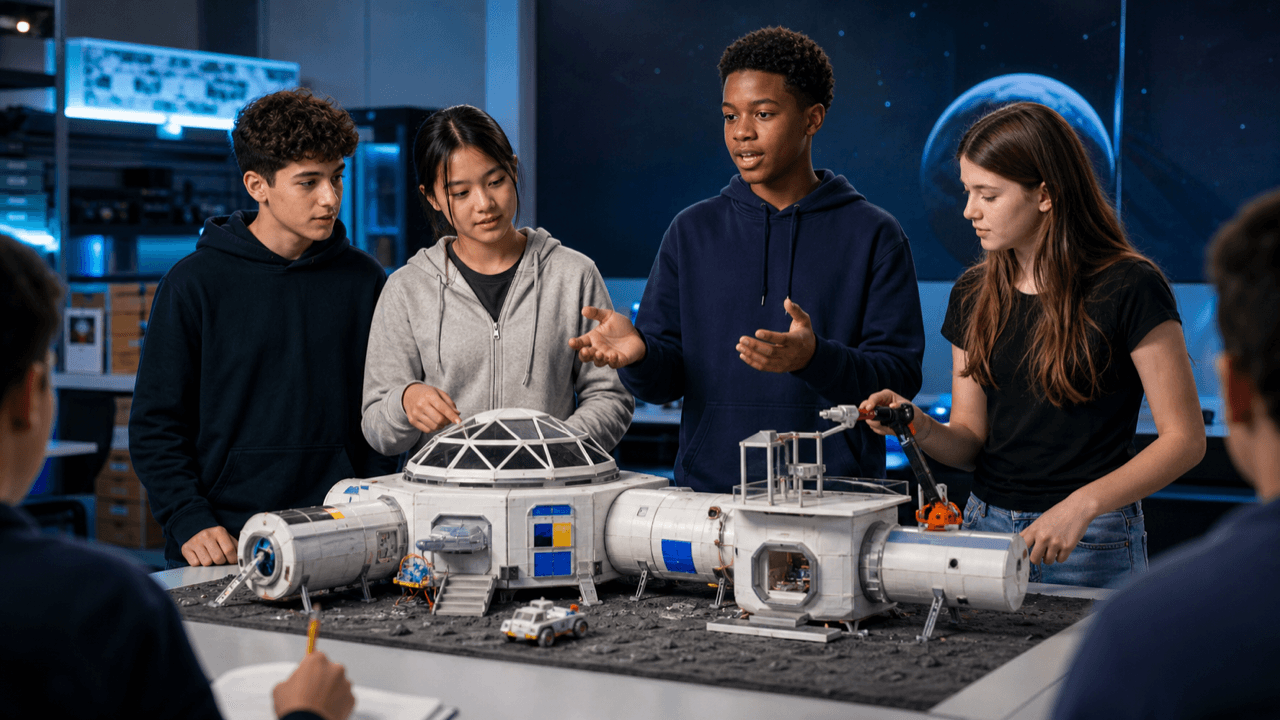
In-house Domi AI runs through the full project workflow—from ideation and concept art to assets and contest boards—showing a digital approach to STEM creation.
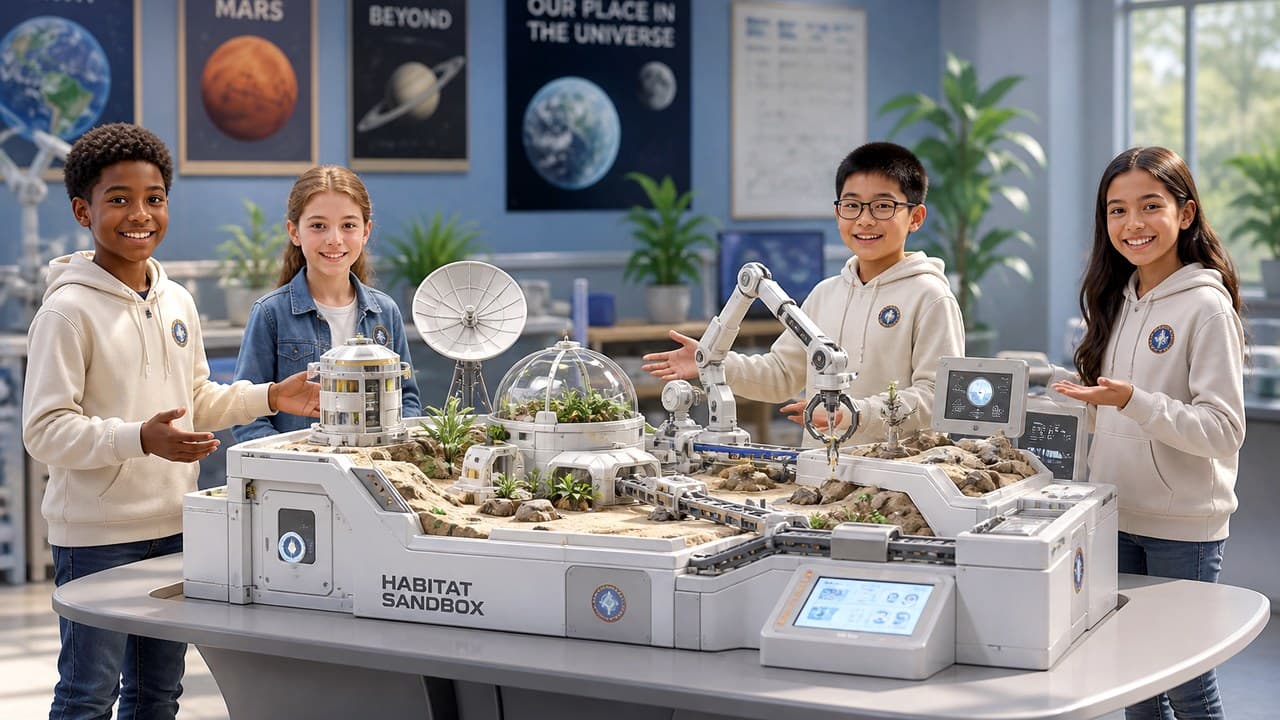
A large integrated panoramic sandbox with multiple powered moving mechanisms dynamically demos the mining–transport–AI construction loop—built for strong visual impact in STEM contest review.