

1
STEP 01
Question & Hypothesis
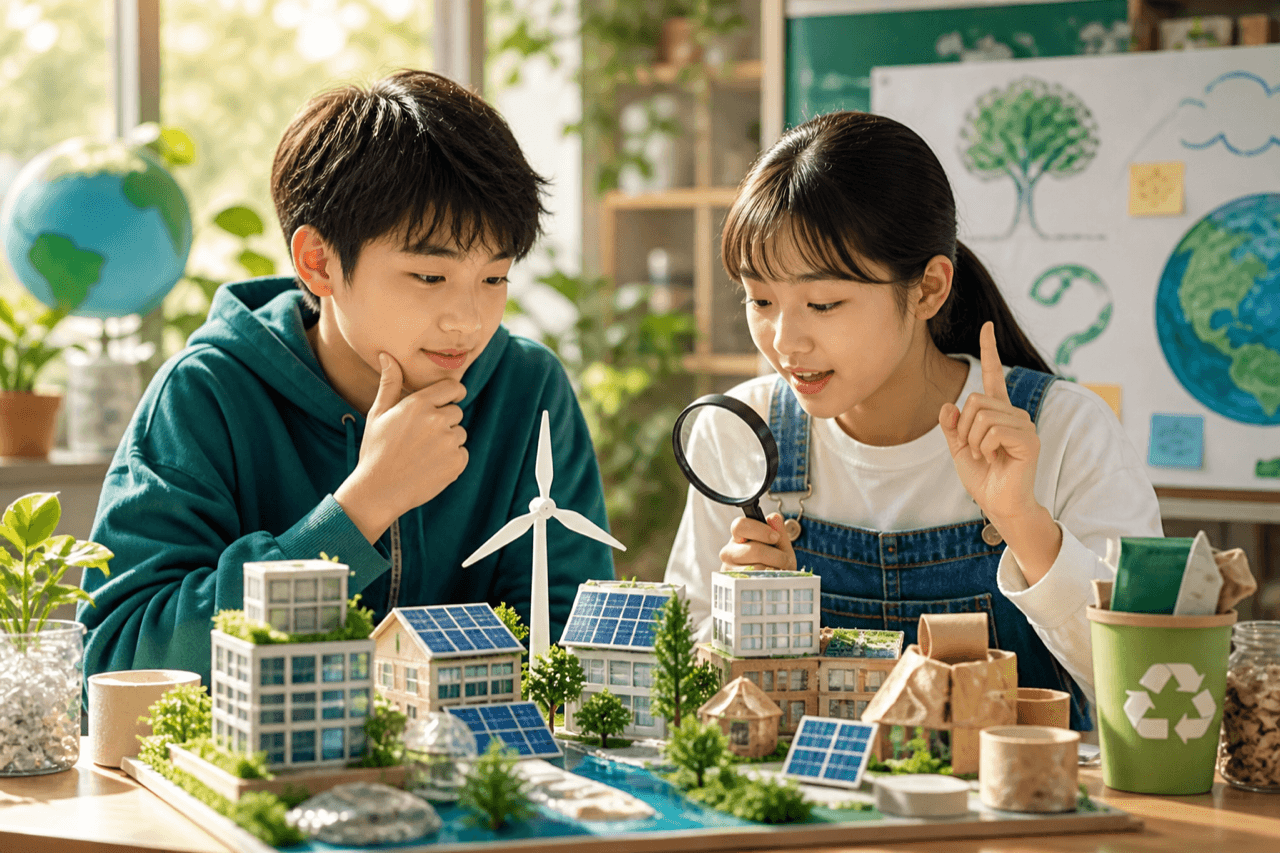
Identify resource waste, excessive emissions, and ecological imbalance; frame a testable question for an AI-and-3D-enabled net-zero city.
 DomiKidsAI
An all-in-one AI learning companion for kids — learning through chat, making, and exploration.
Join Growth PlanChat Sprites
Art Wizard
Animation Studio
CITY ENERGY SYSTEM / INITIALIZING
Sustainable EarthECO CITY BASE READY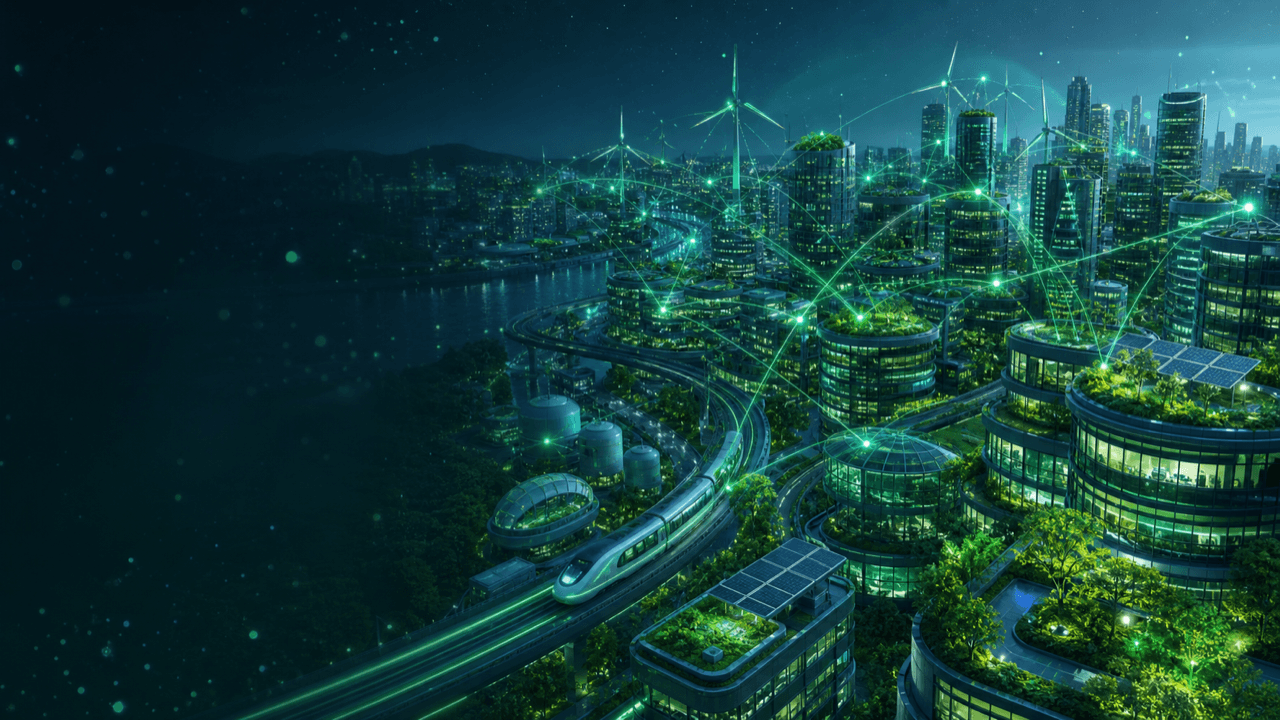
SUSTAINABLE EARTH / LIVE SYSTEM
Powered by the DomiKids AI creative platform, this course combines AI ideation, 3D printing, simple electronics, and hands-on making to explore a living future city. Turn the big idea of net zero into a creation you can see and run.
The learning journey connects low-carbon urban energy systems, net-zero city research, and the real challenges behind carbon peak, carbon neutrality, and ecological innovation.
The course is informed by national initiatives for carbon peak, carbon neutrality, ecological innovation, and sustainable urban development.
Creative studio time: 6 lessons
SMART CONTROL · LIVE
A BREATHING CITY CURRICULUM
Scientific inquiry is a core competency. Students follow a complete process: frame questions and hypotheses, collect and analyze evidence, design solutions, explain conclusions, build and improve prototypes, then communicate and reflect.
Identify resource waste, excessive emissions, and ecological imbalance; frame a testable question for an AI-and-3D-enabled net-zero city.
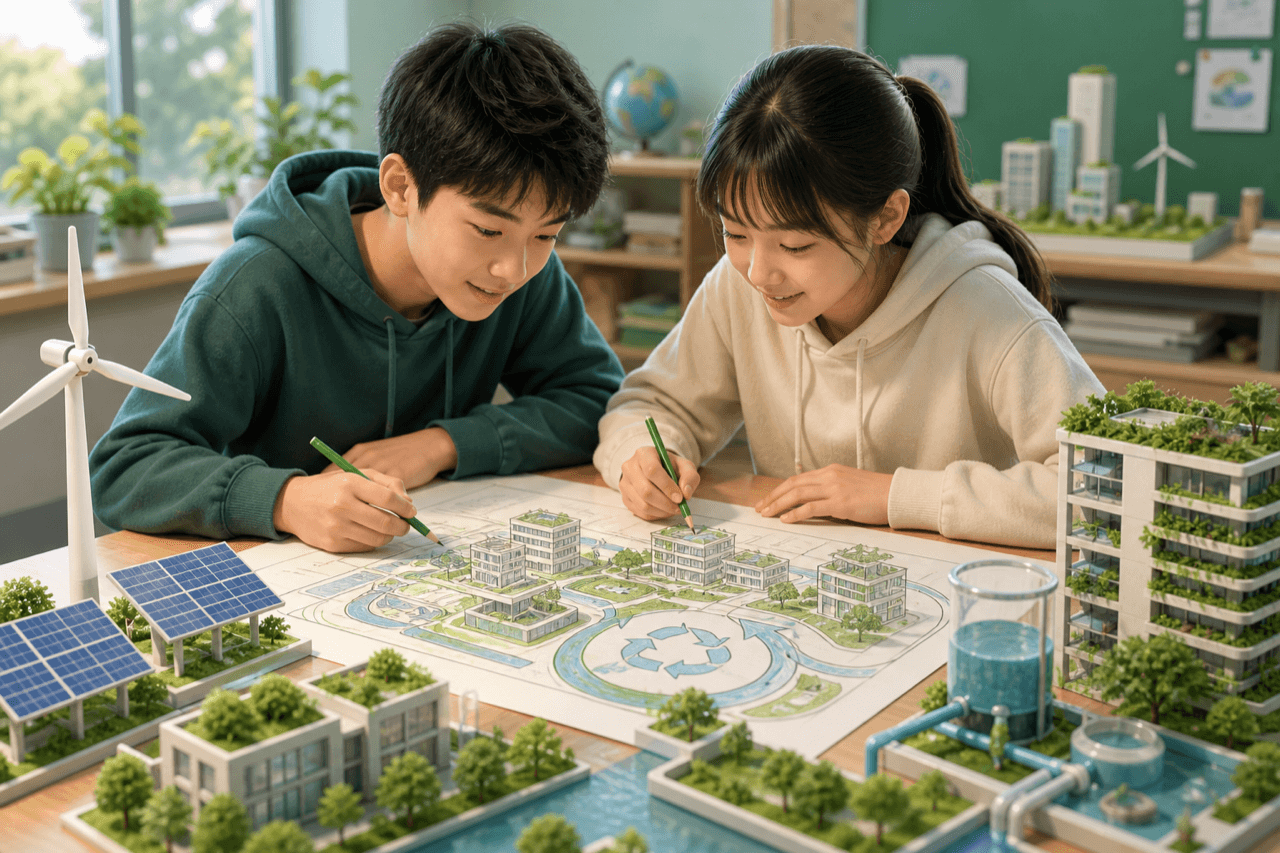
Map a complete chain from recovery and recycled feedstock to AI modeling and 3D printing, then design the energy and ecology systems.
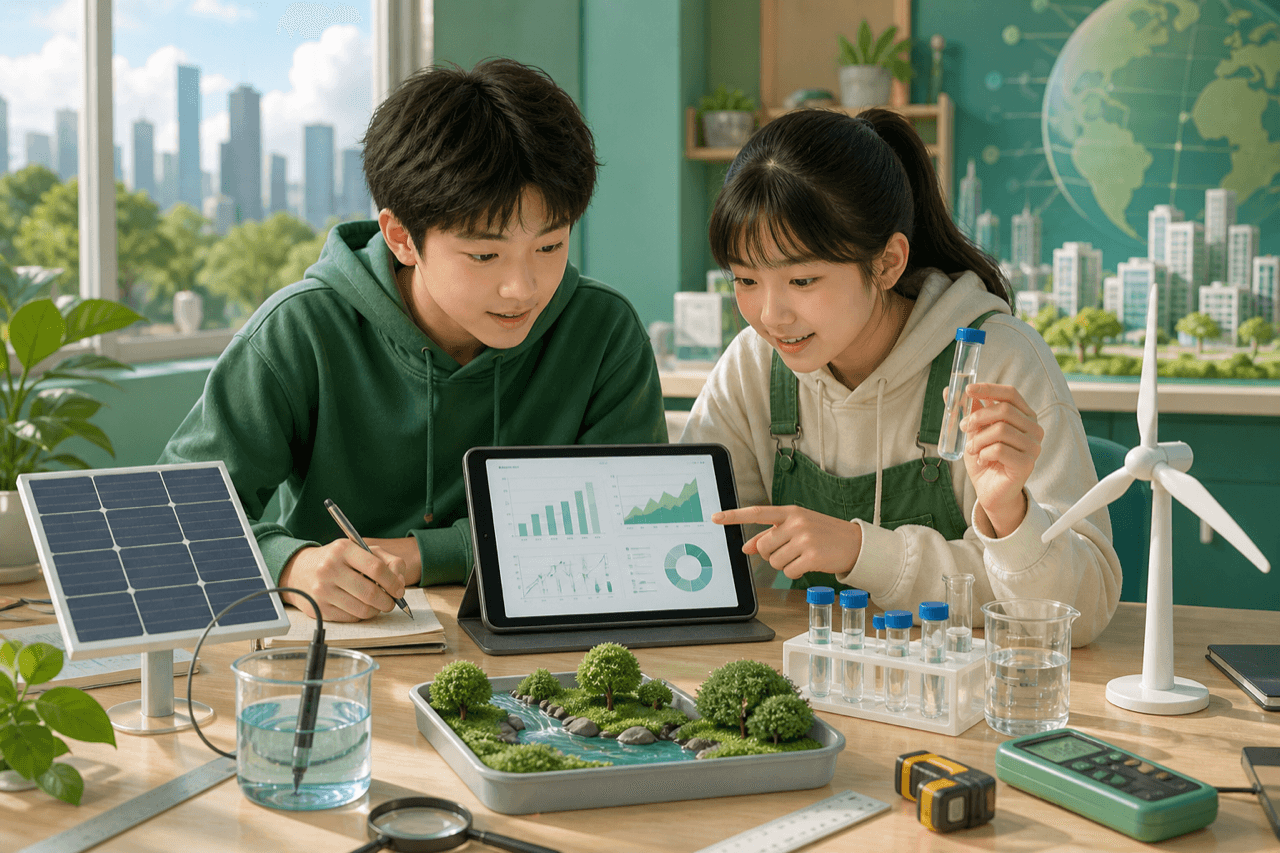
Research city emissions, recycled-resource cases, and renewable-energy data; use AI simulation to test the proposal.
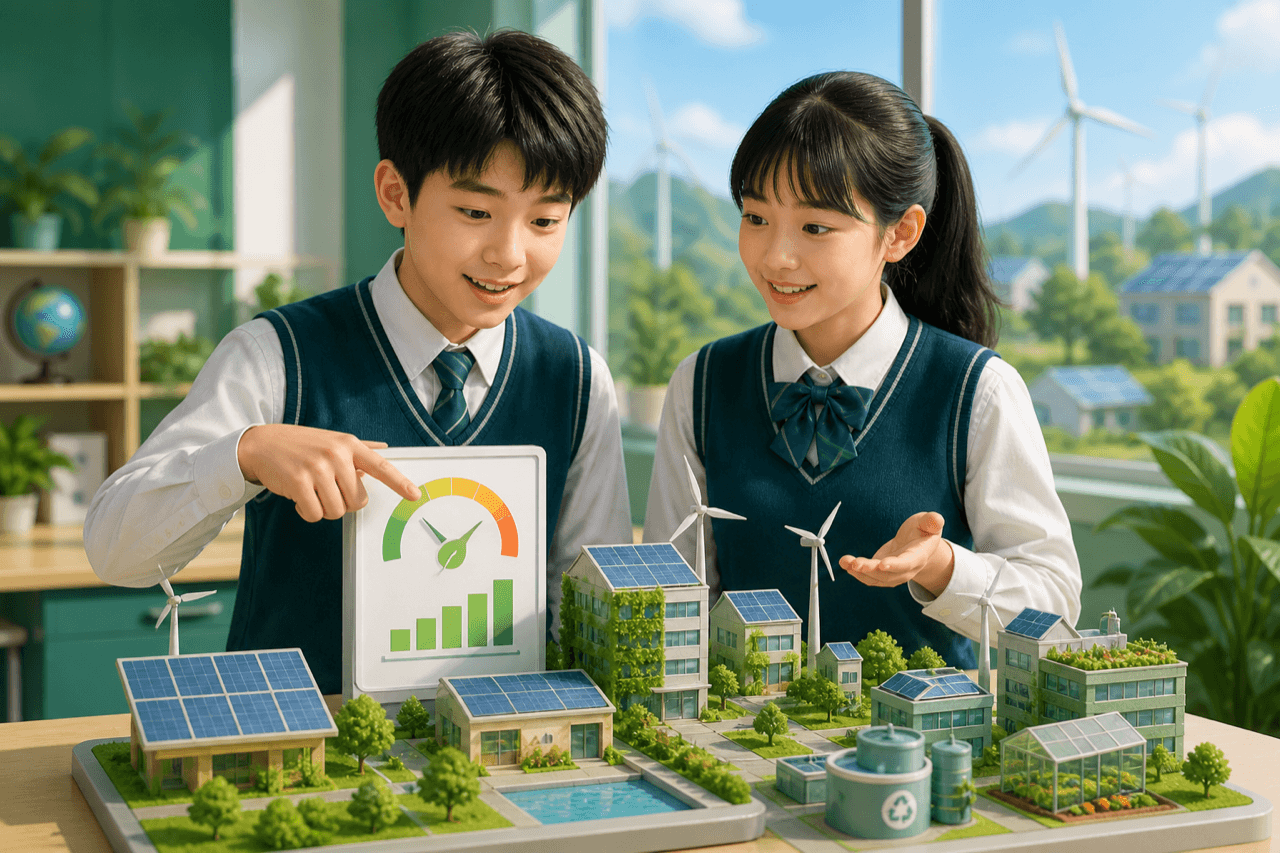
Use evidence to evaluate the initial hypothesis and explain how AI and 3D technology strengthen circular systems.
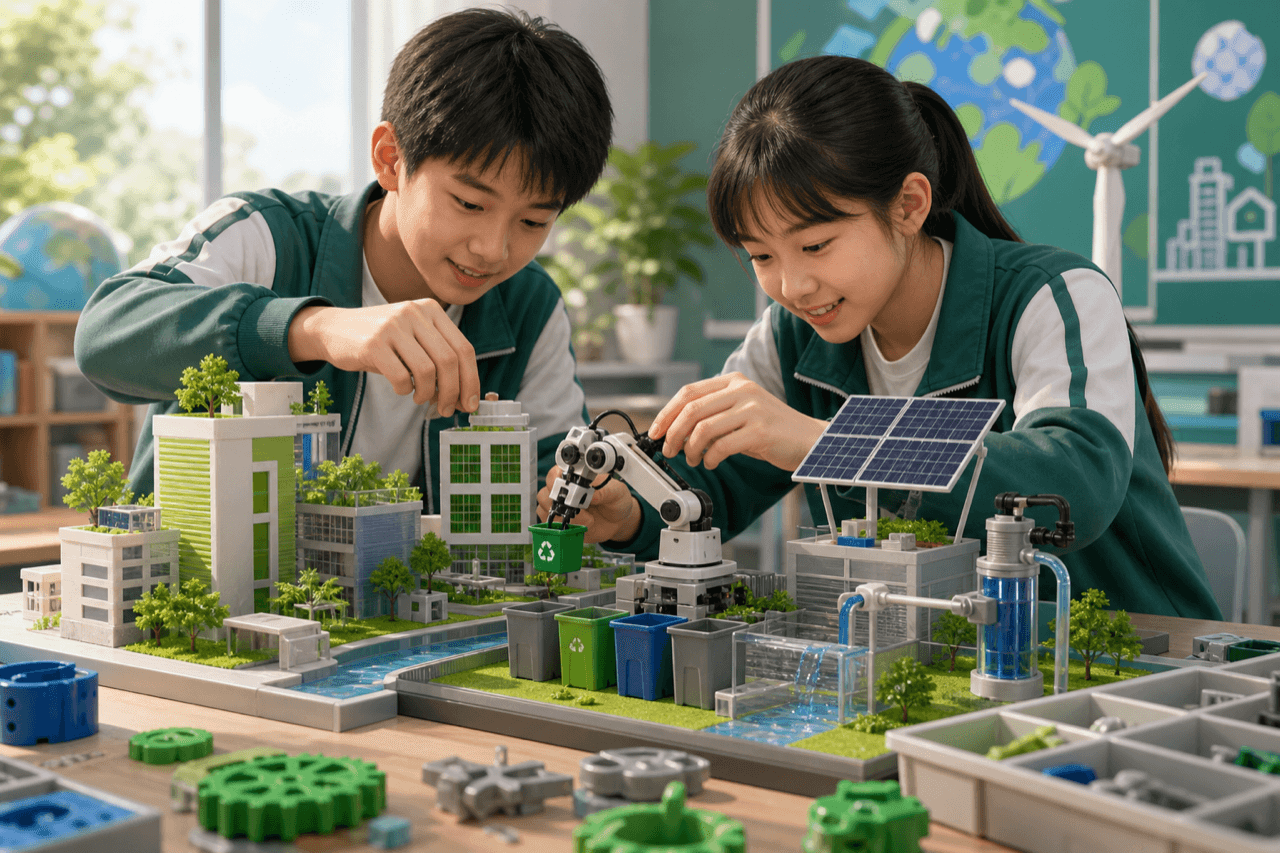
Build and test a miniature city; iterate on structure, energy use, and ecological modules using the results.
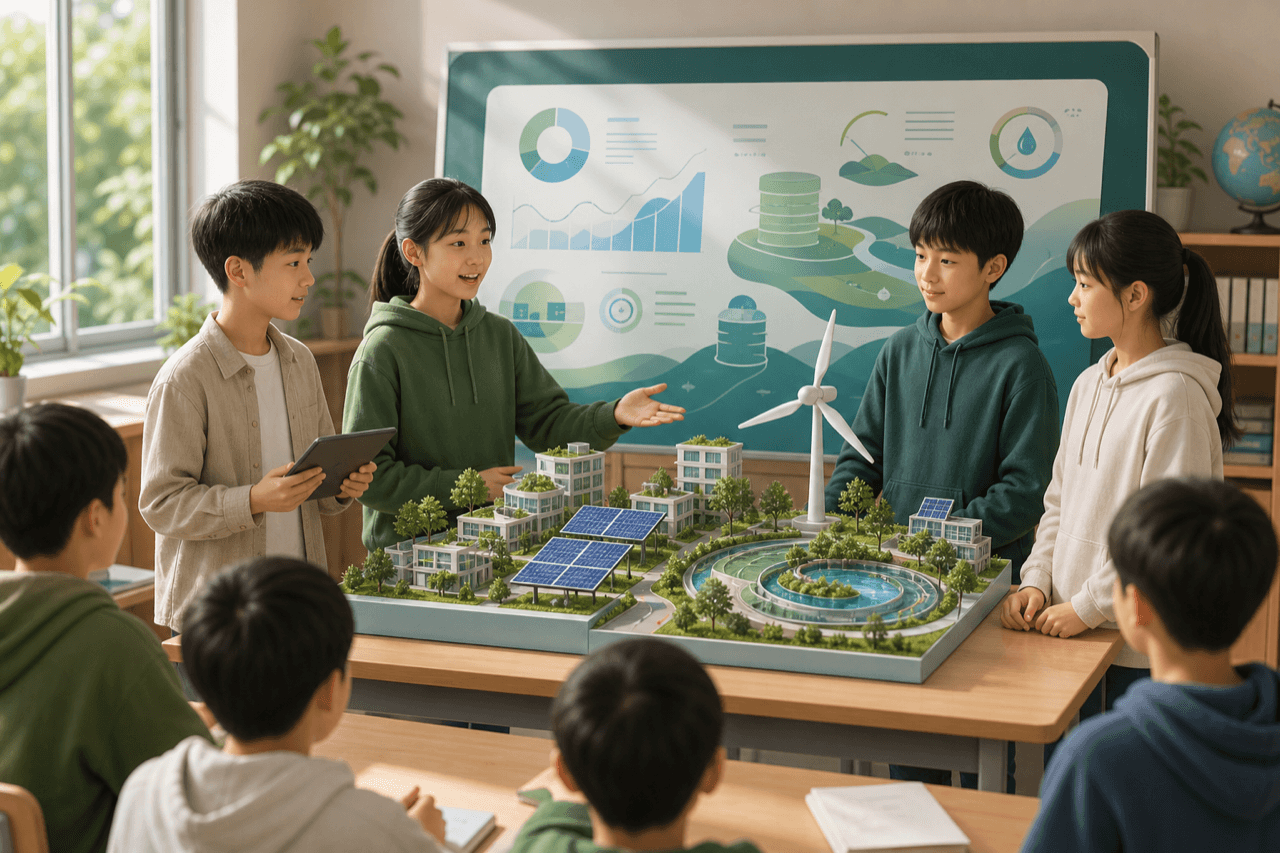
Present through a defense and display board, review trade-offs, and reflect on resource stewardship.
RESEARCH-DRIVEN CONTEST COURSE
Built on real low-carbon, ecological innovation, and youth science-competition directions, with evidence-based city-resource, AI-planning, and renewable-energy scenarios.

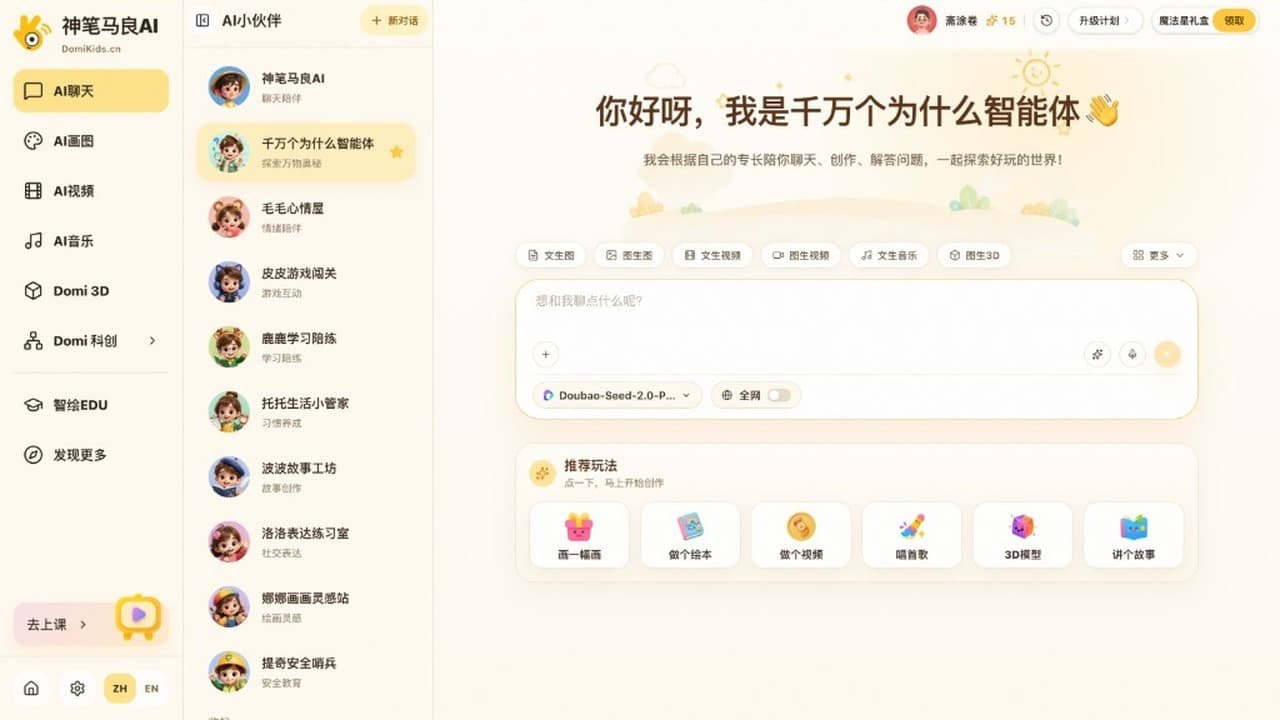
DomiKids AI supports concept imagery, 3D models, display assets, and films, with lesson plans, prompt libraries, parts lists, and build guidance for all six lessons.
Students create AI concept art, digital 3D models, an interactive eco-city sandbox, display boards, a project film, and an original project report.
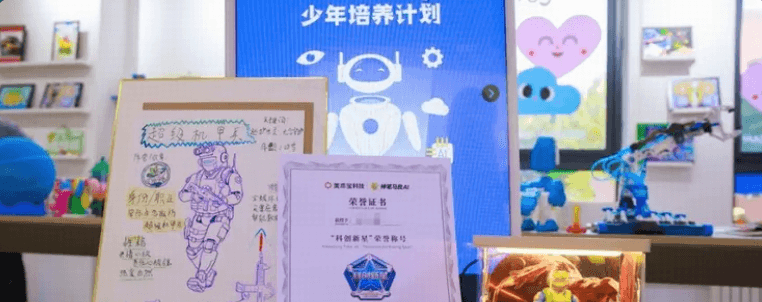
END-TO-END INNOVATION PRACTICE
domikids.cn (Shenbi Ma Liang AI) youth creation platform.
AI drawing, 3D model generation, copywriting, demo video, board assets, and more…
FOUR AI FUSION DIRECTIONS
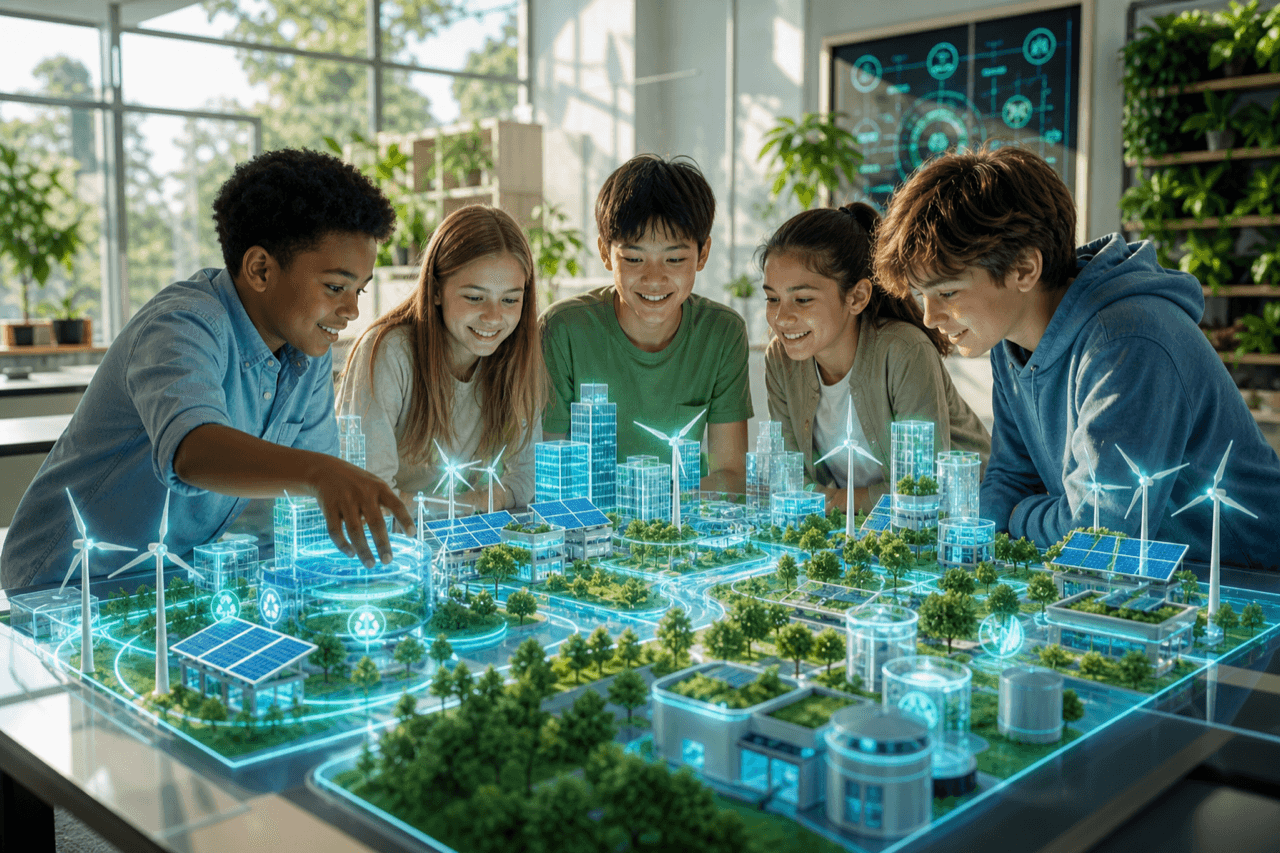
Plan net-zero districts, simulate clean-energy systems, and test circular-resource and ecological-control scenarios.
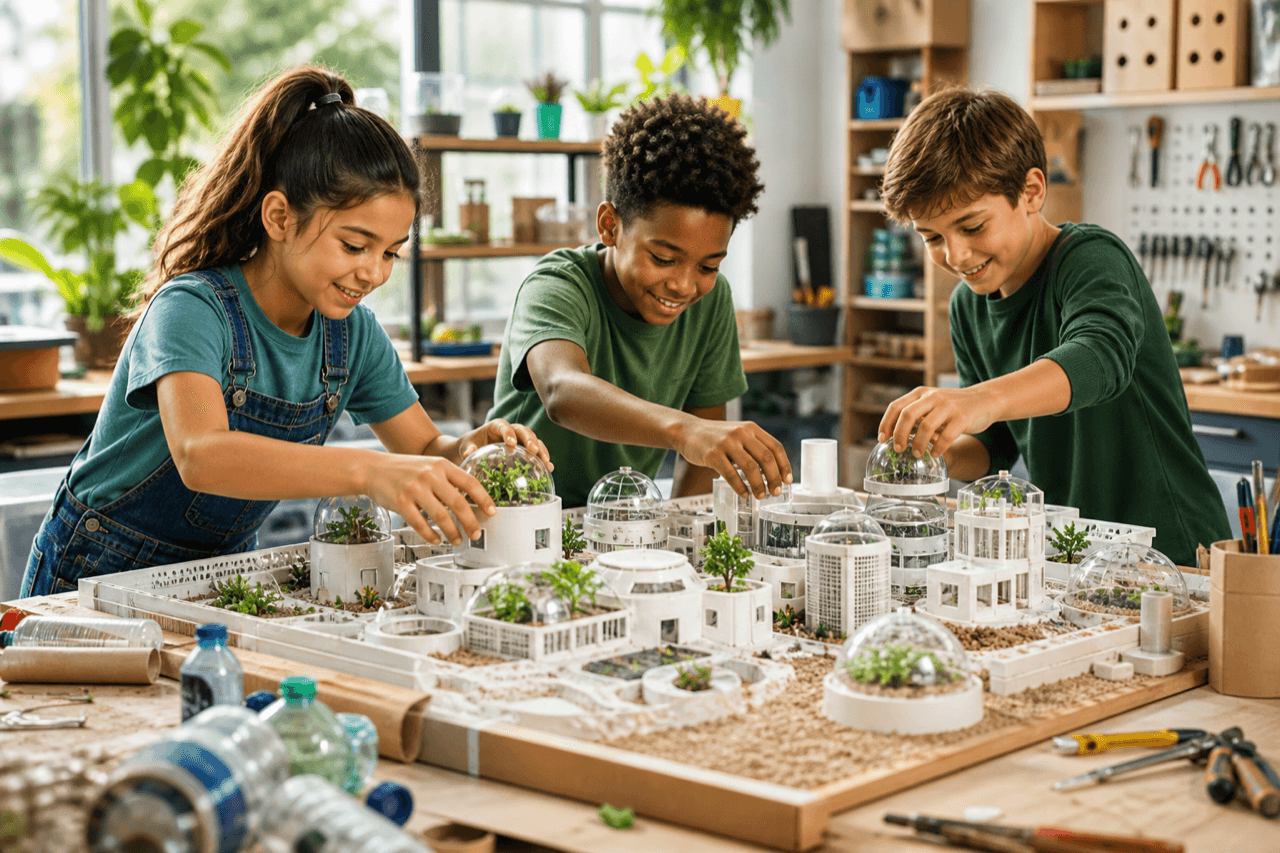
Model and 3D-print circular components, build with recycled materials, and create an integrated physical city sandbox.
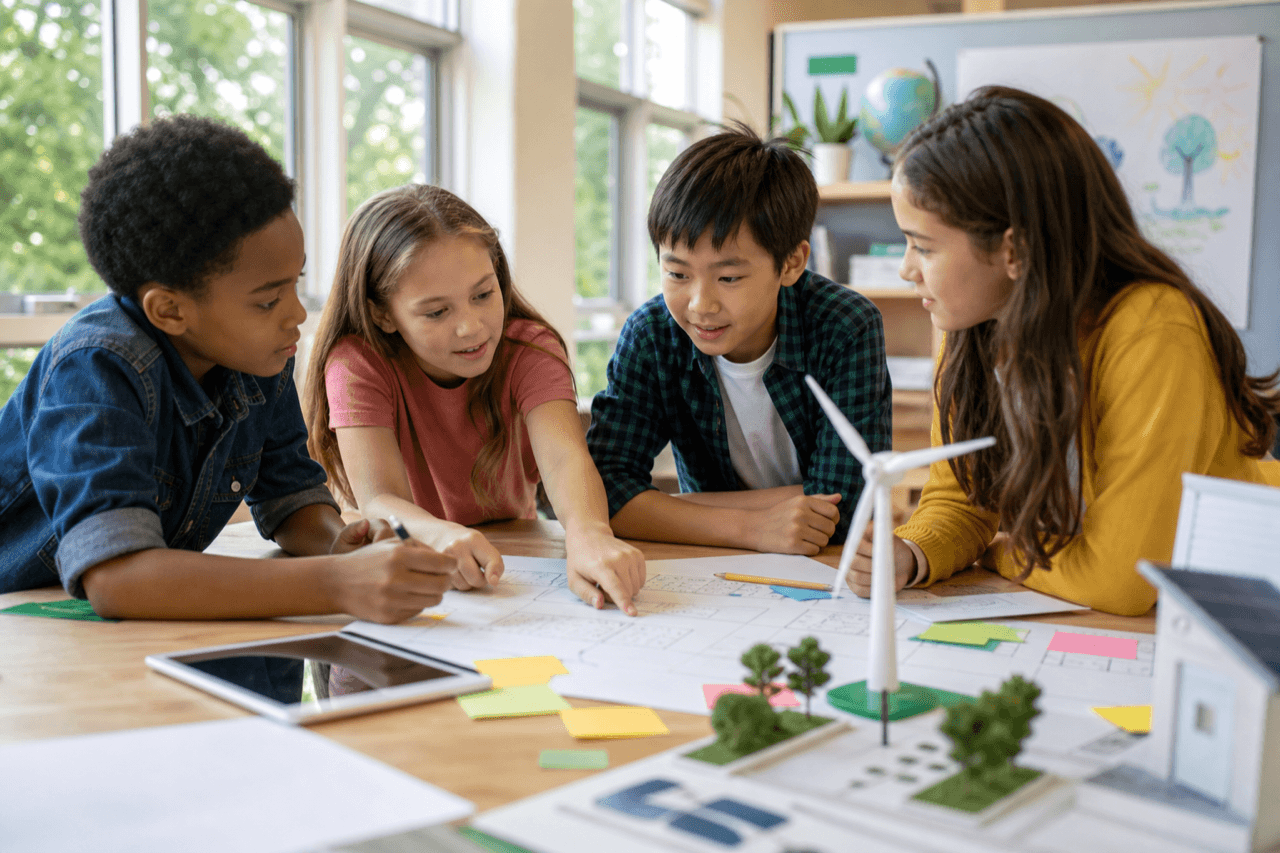
Research climate policy, structure project logic, collaborate in teams, and present evidence-based outcomes.
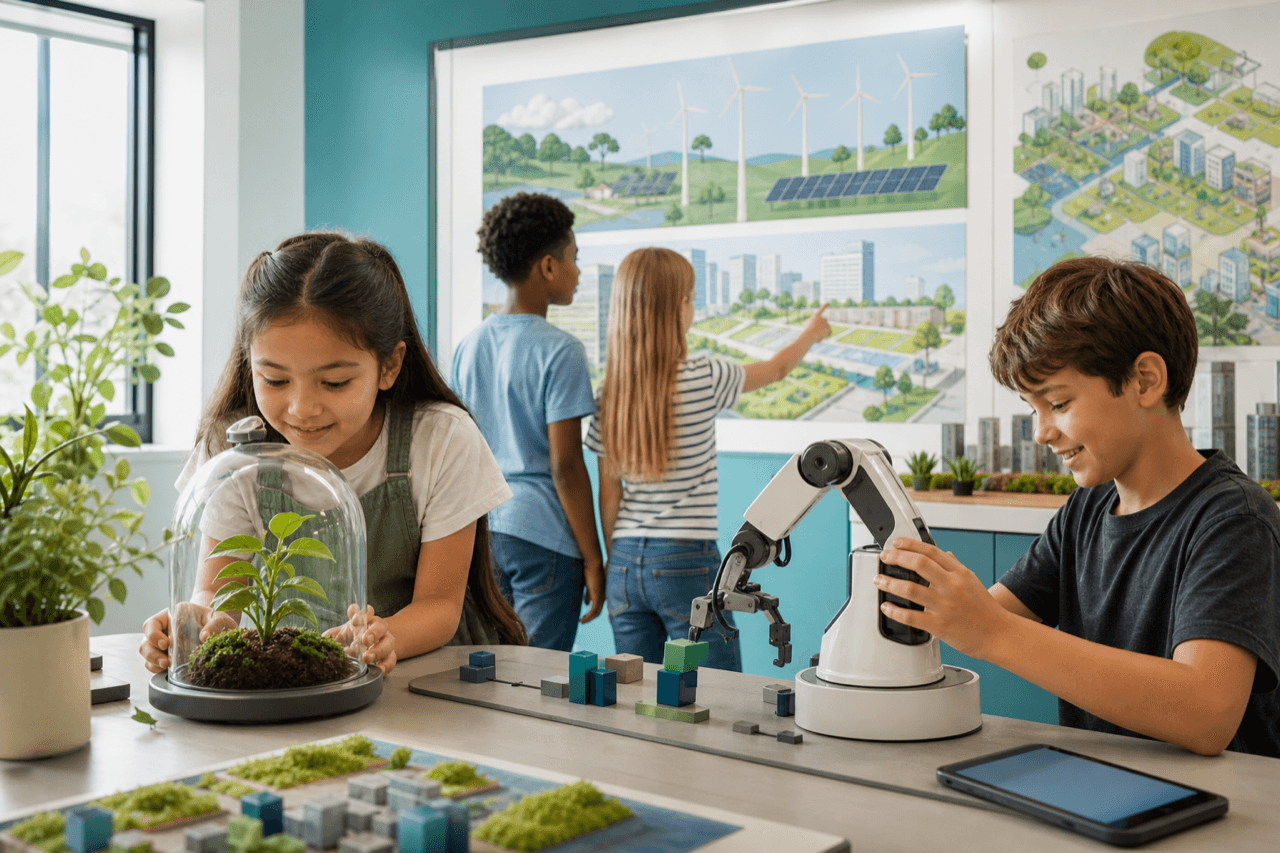
Combine environmental science, energy engineering, electronics, circular resources, and urban planning.
DUAL TECHNOLOGY FOUNDATIONS
Hands-on recycled-model 3D printing, clean-energy control modules, water circulation, solar and wind components, a sorting arm, ecological sensors, and a net-zero city sandbox.
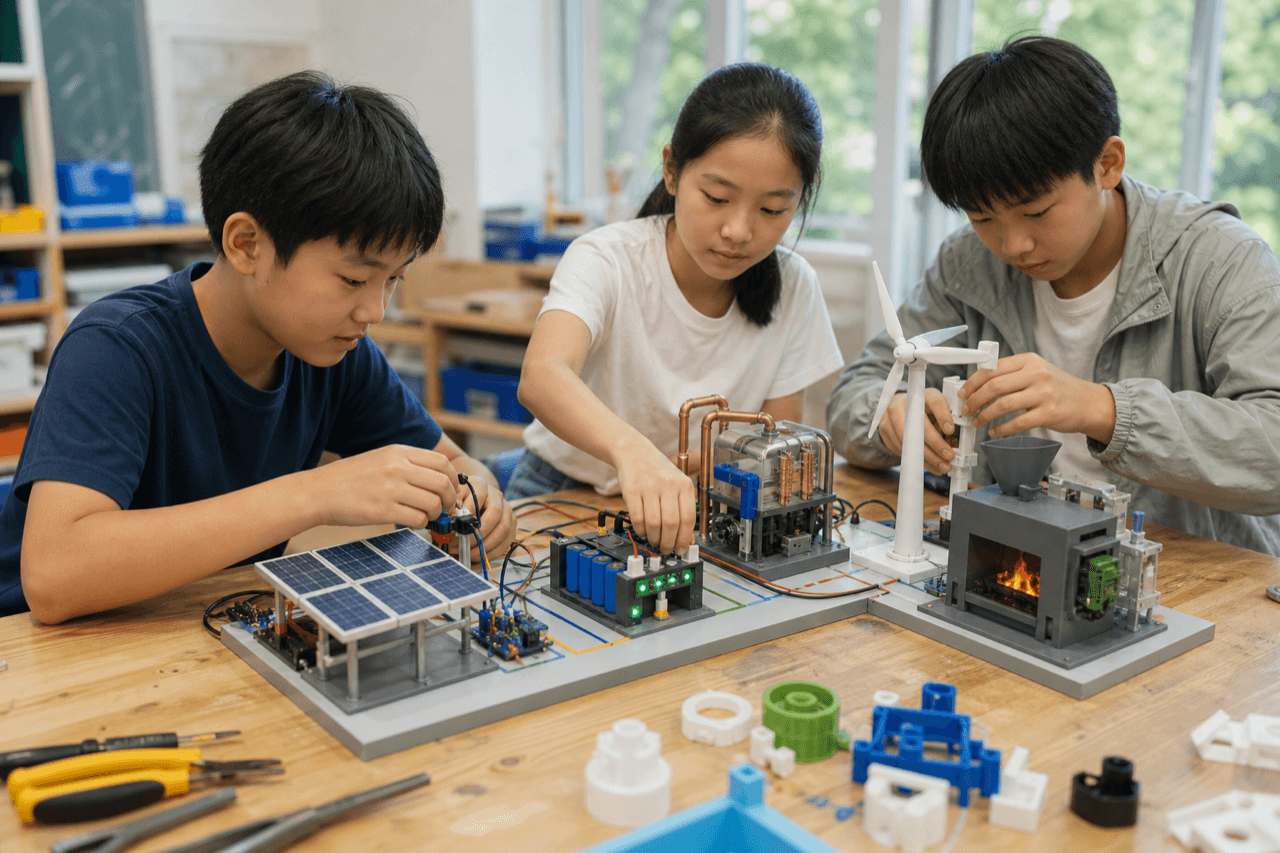
AI prompt design, low-carbon concept imagery, sustainable display-board creation, project-film production, and iterative circular-resource simulations.
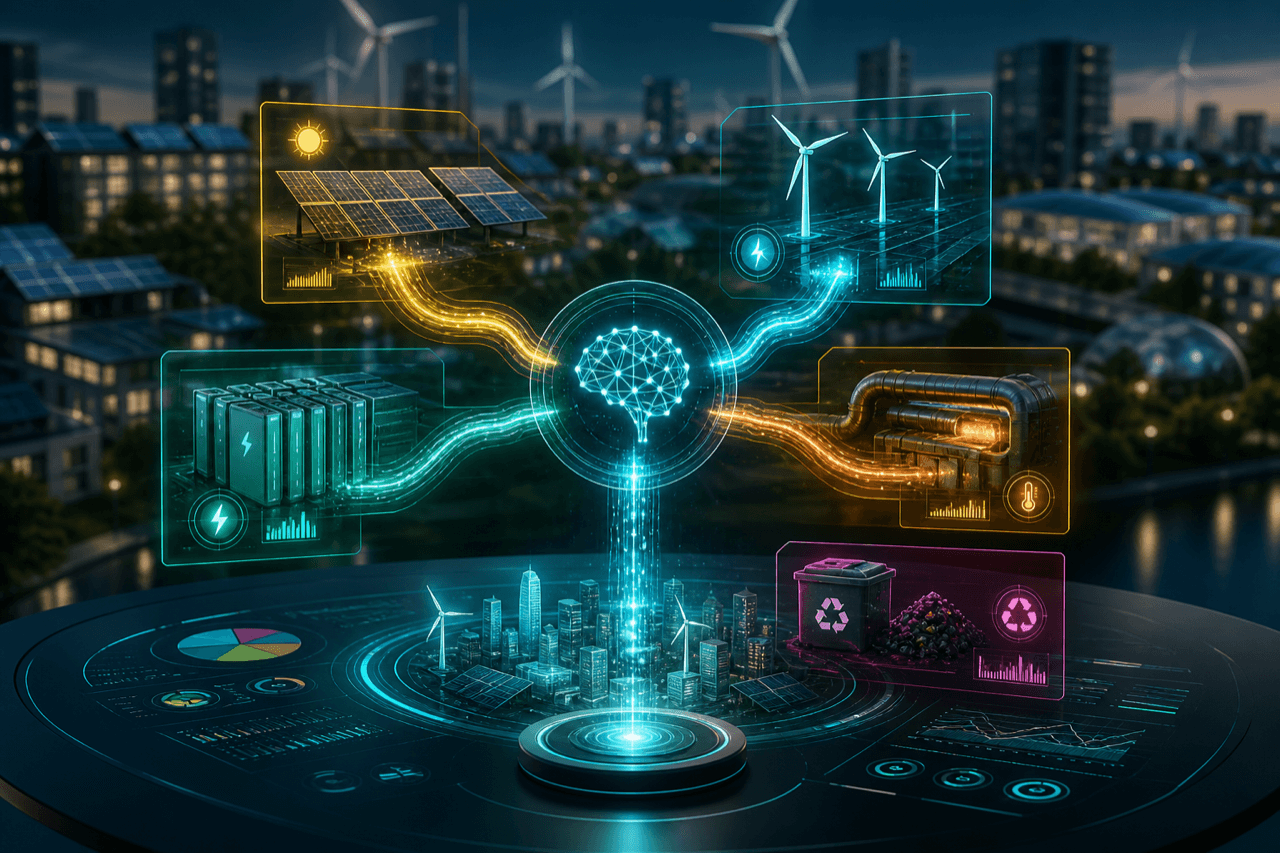
The full model is an integrated panoramic zero-carbon city sandbox that restores the complete loop—from waste recovery and recycled feedstock transport to AI 3D circular-component printing, multi-source clean energy, ecological living communities, and intelligent urban control.
OVERALL COURSE GOALS
Explore national research on urban solid-waste recycling, carbon neutrality, and clean energy; analogize multi-scenario resource recovery, remanufacturing, and ecological balance while learning environmental science.
Learn recycled-material 3D printing workflows and use Shenbi Ma Liang AI to generate low-carbon concept art, board copy, project assets, and demo films.
Simulate AI-assisted automated construction flows and build integrated engineering models with robotic arms, conveyors, and AI printing equipment.
Create terrain and scenery with mixed materials; practice sandbox coloring, set dressing, and spatial visual design.
Apply ratio and measurement in model building to plan sandbox layouts and part placement.
Collaborate to complete the full workflow: circular-part AI design, recycled 3D printing, hand assembly, basic electronics debug, and eco-city sandbox scenery.
Build low-carbon engineering thinking, green design ability, and teamwork habits; form a clear creation logic and independently write design notes and defense scripts.
AI ENERGY DISPATCH CONSOLE
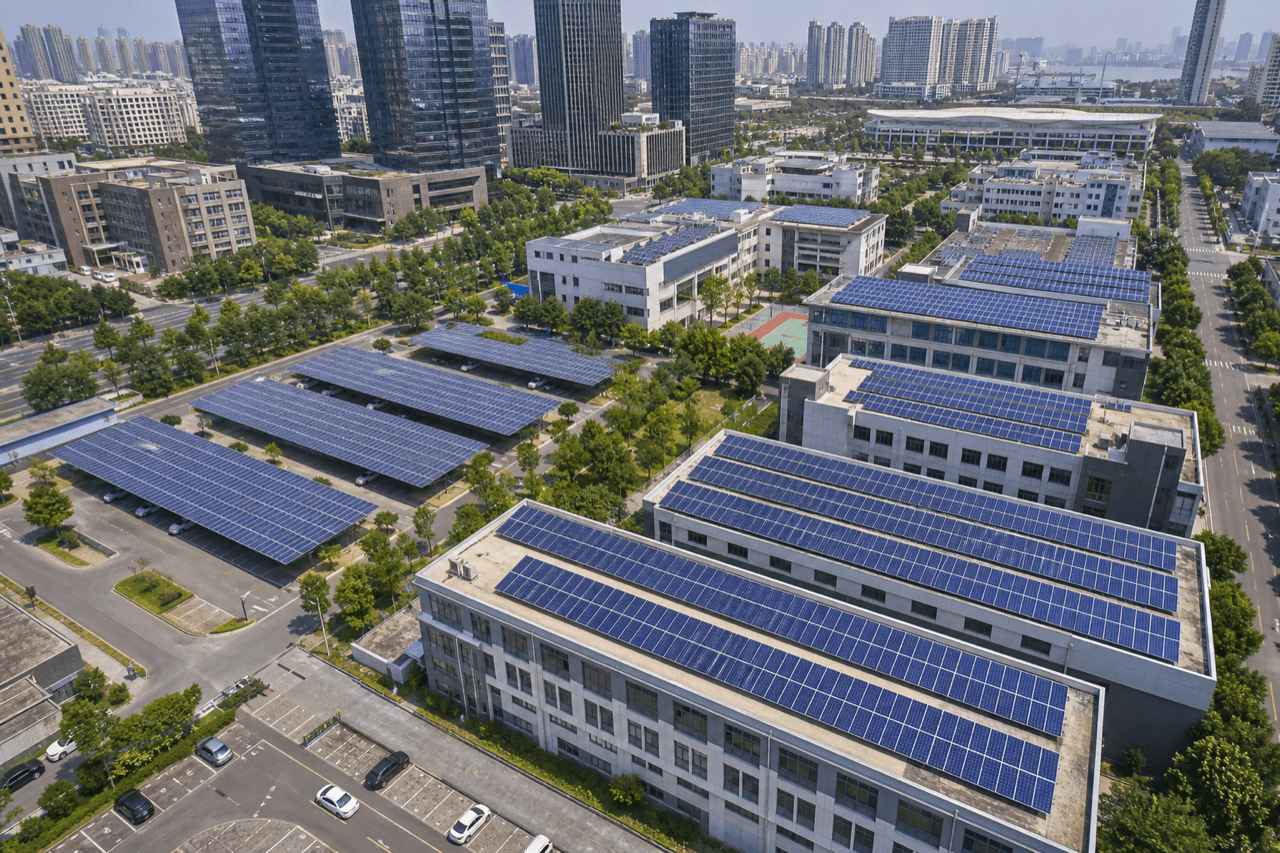
Run AI dispatch models for PV, wind, storage, waste heat recovery, and solid-waste conversion to compare output, consumption, and dispatch conditions across five energy units
CLOSED-LOOP LEARNING
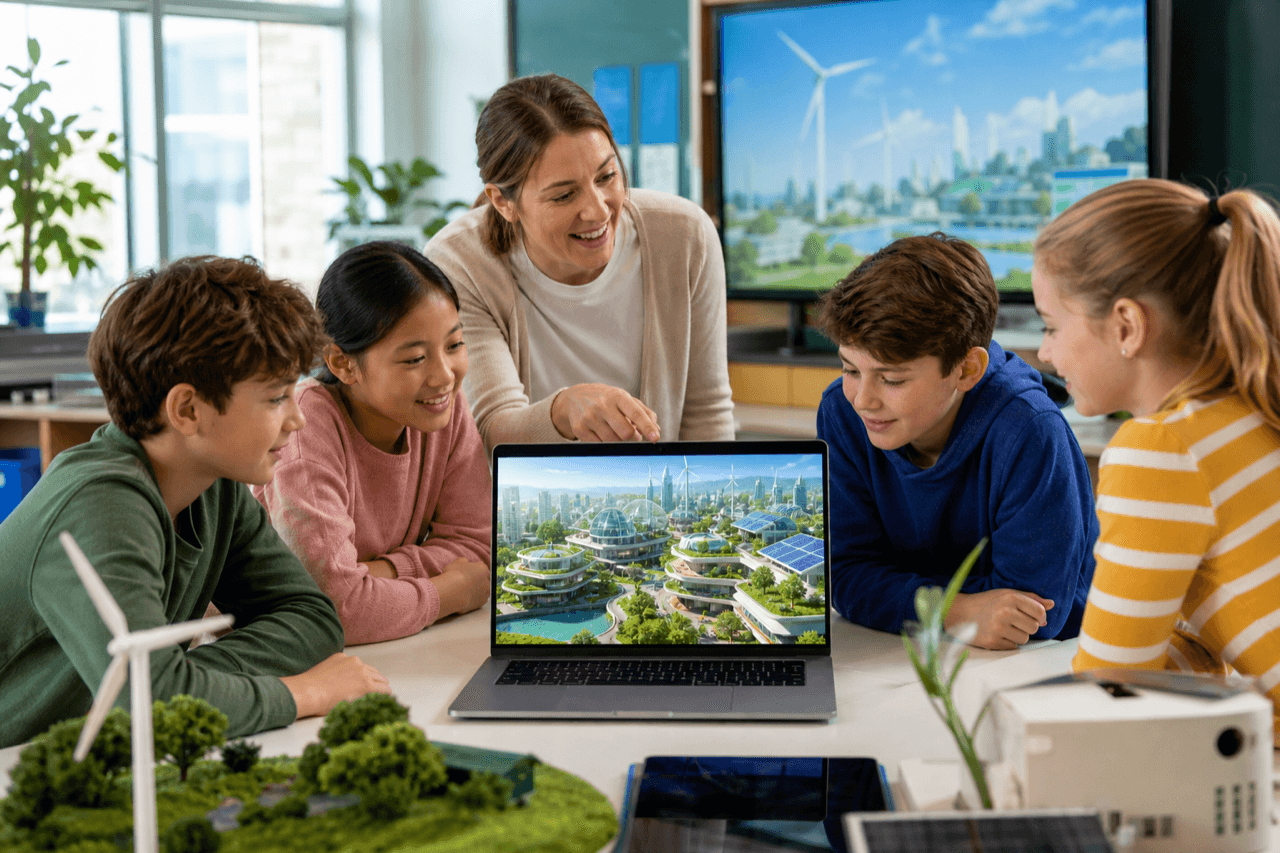
Course content: Explore net-zero districts and circular-city models. Teams use AI to create an initial eco-city vision, plan a district layout, and assign roles.
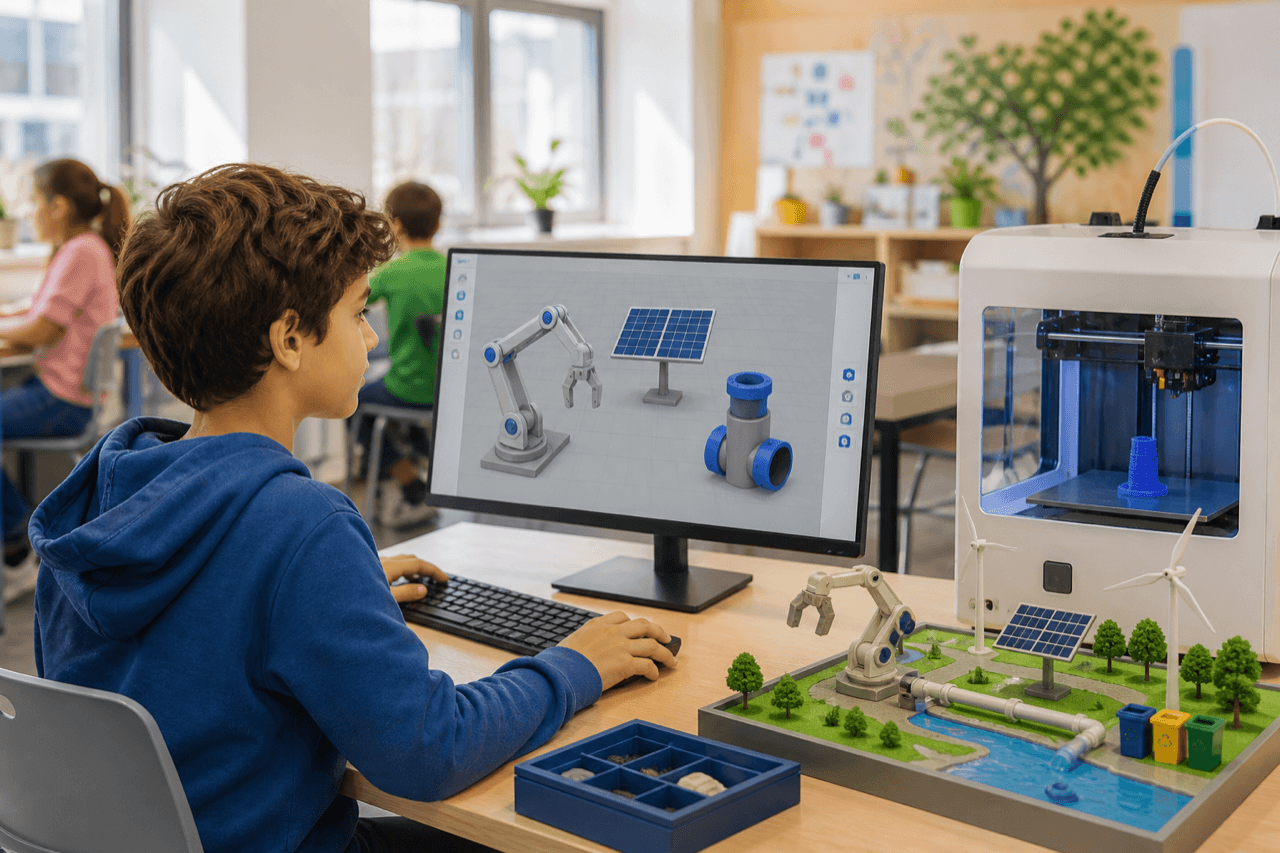
Course content: Learn the basics of sustainable 3D design; break the city into recyclable-material, solar, water-cycle, and sorting-system components.
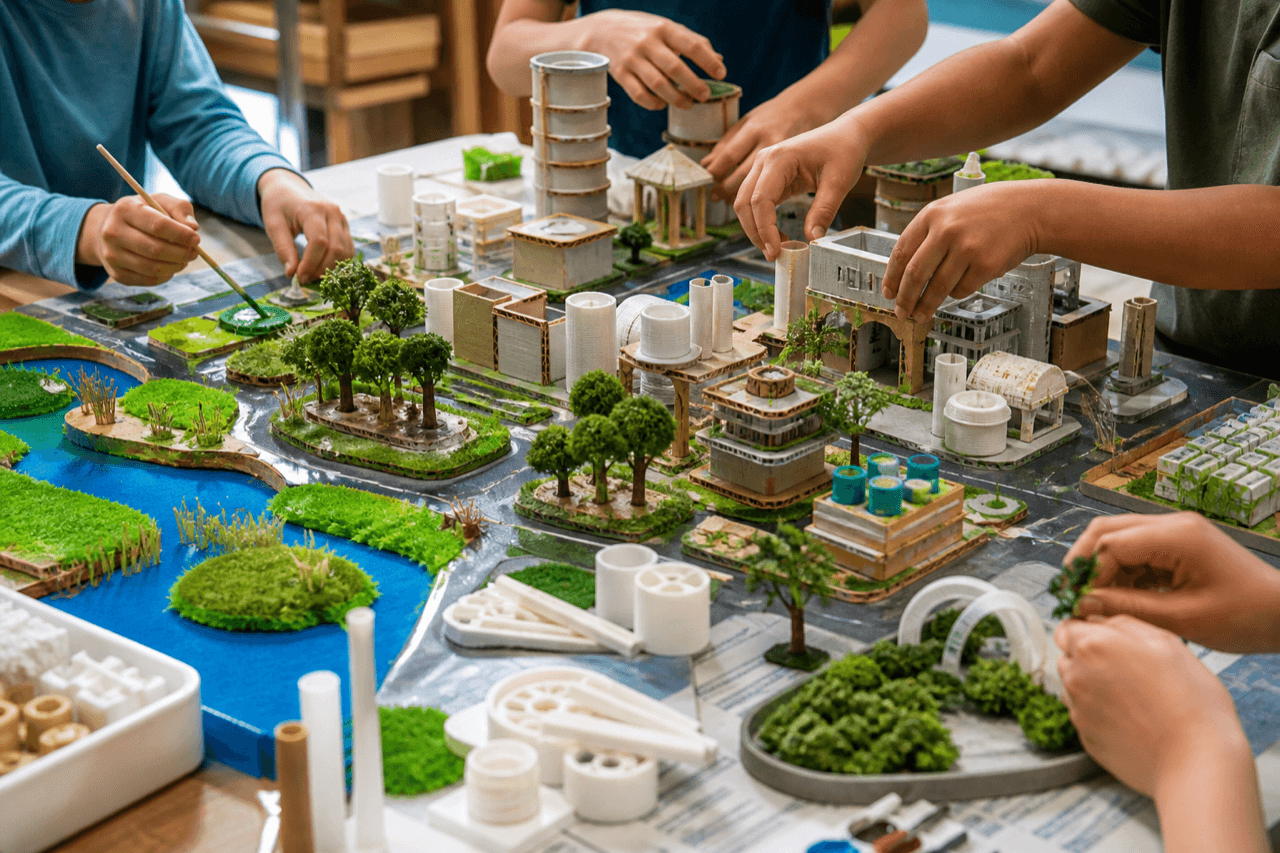
Course content: Produce printed and handmade components from recycled materials, then build the terrain, wetlands, green zones, and redevelopment sites.
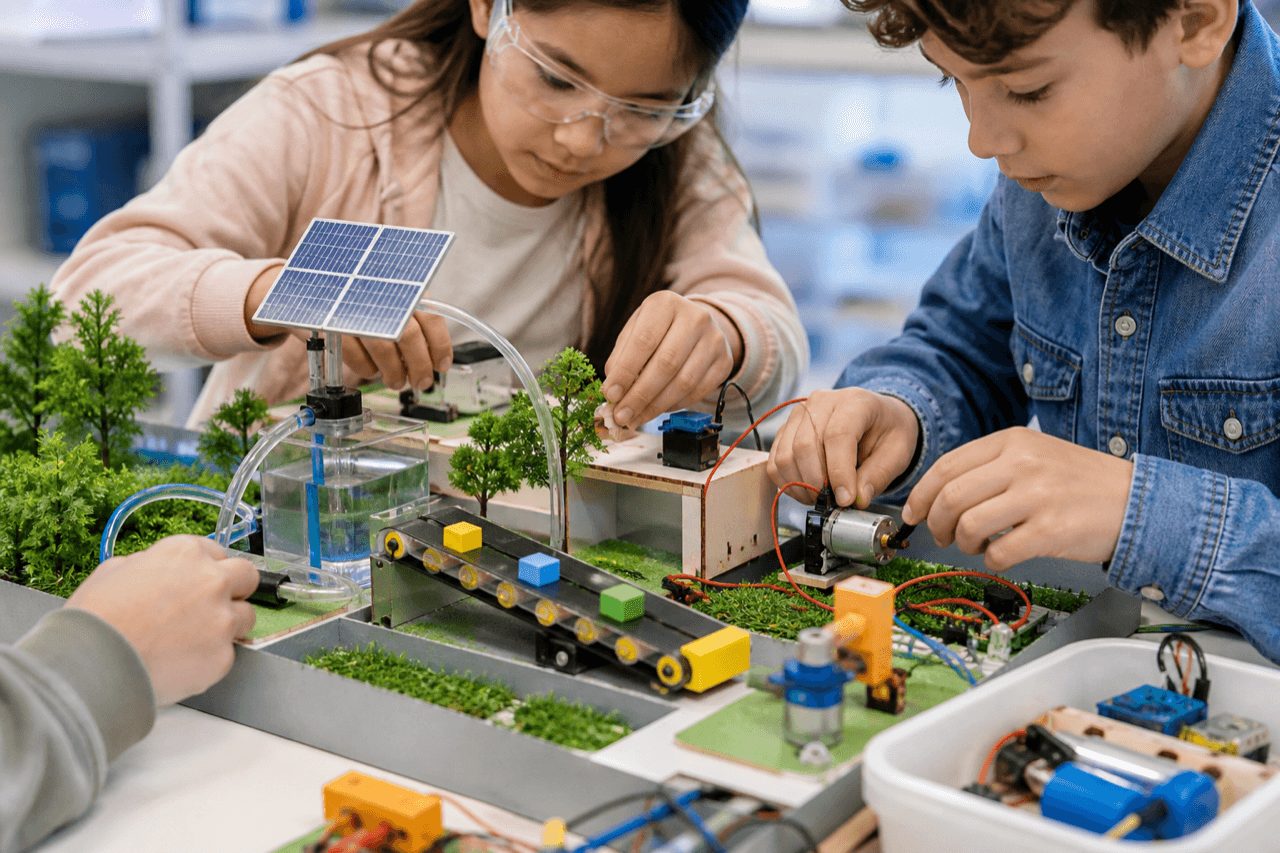
Course content: Assemble solar tracking, water circulation, and resource-sorting modules; test simple renewable-energy circuits and sensors.
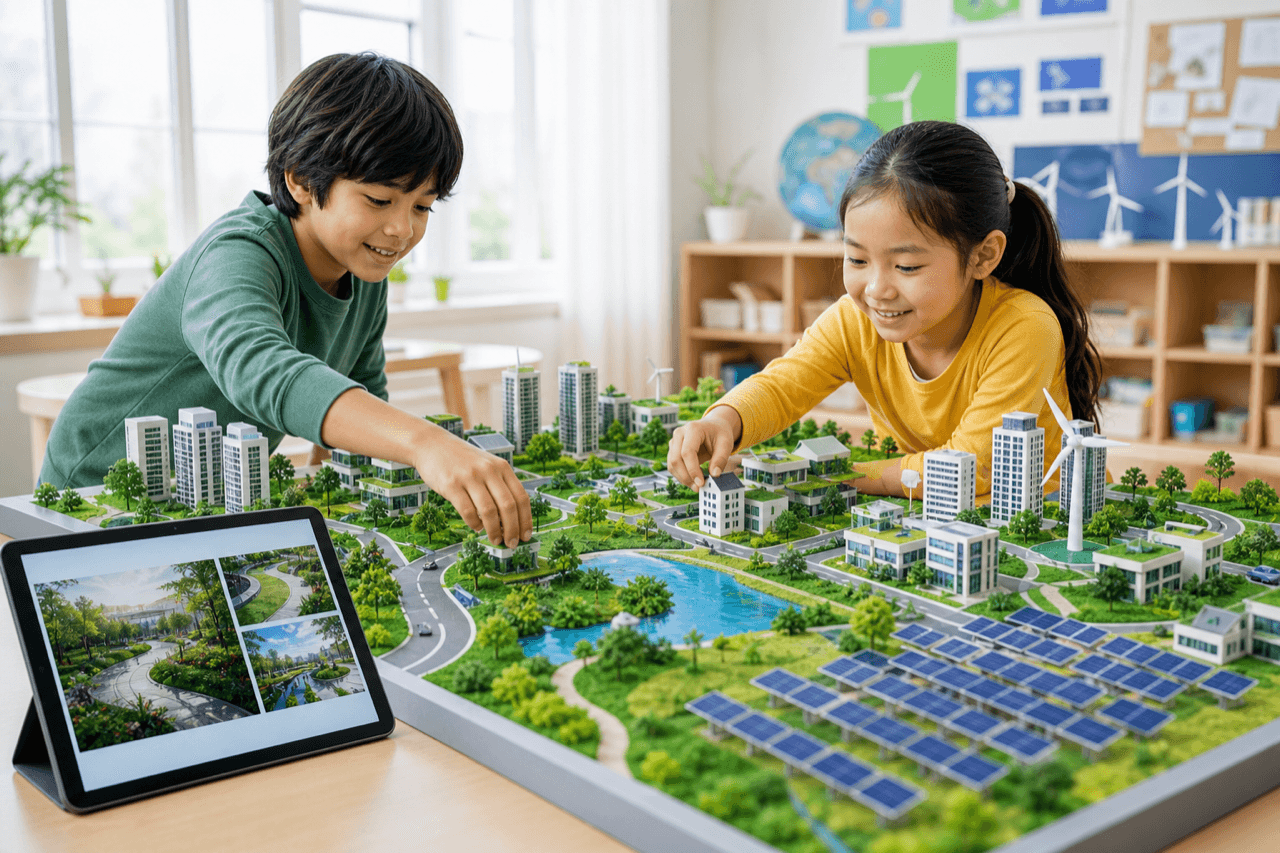
Course content: Complete the six low-carbon districts, create rain gardens and photovoltaic zones, and use AI to produce display boards and a project film.
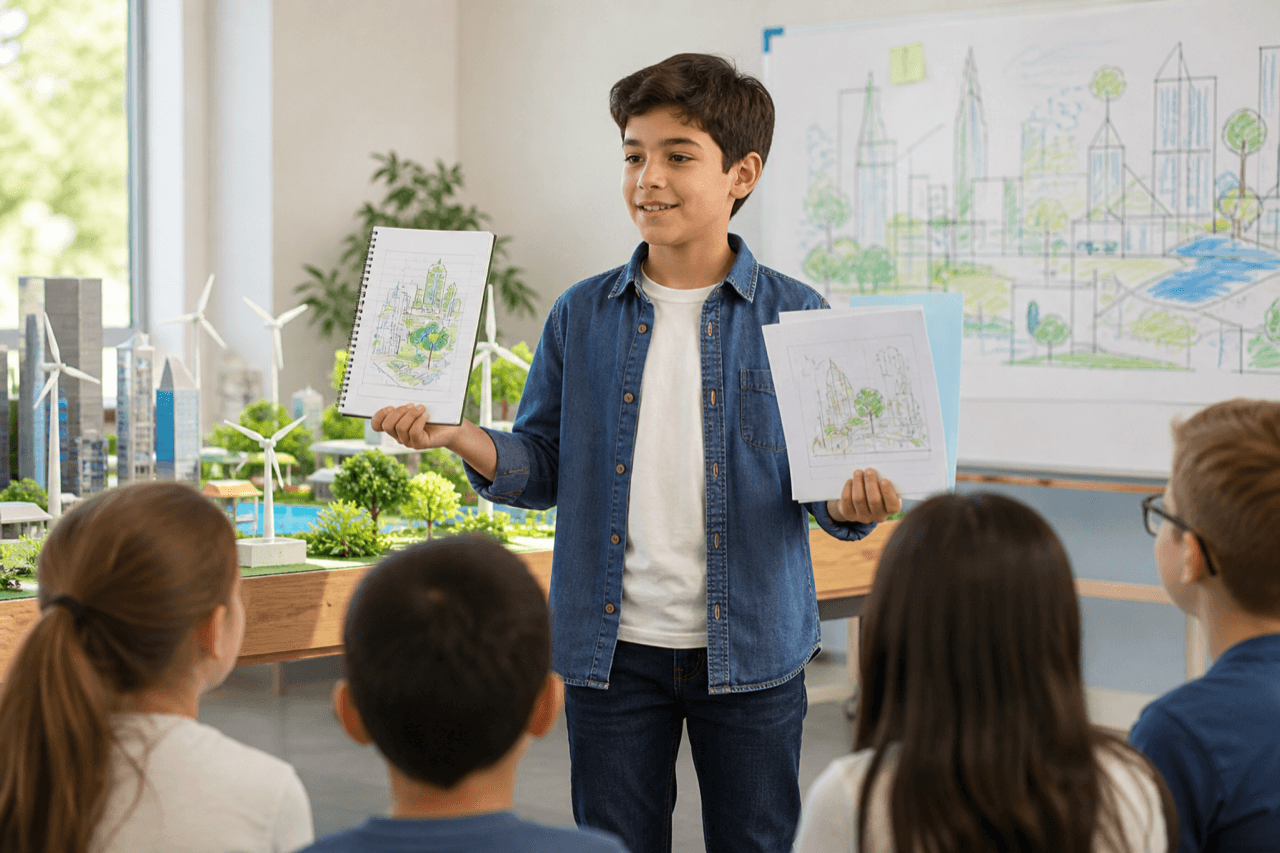
Course content: Improve the model, write an original design statement, rehearse the project story, and present the final solution.
INNOVATION HIGHLIGHTS
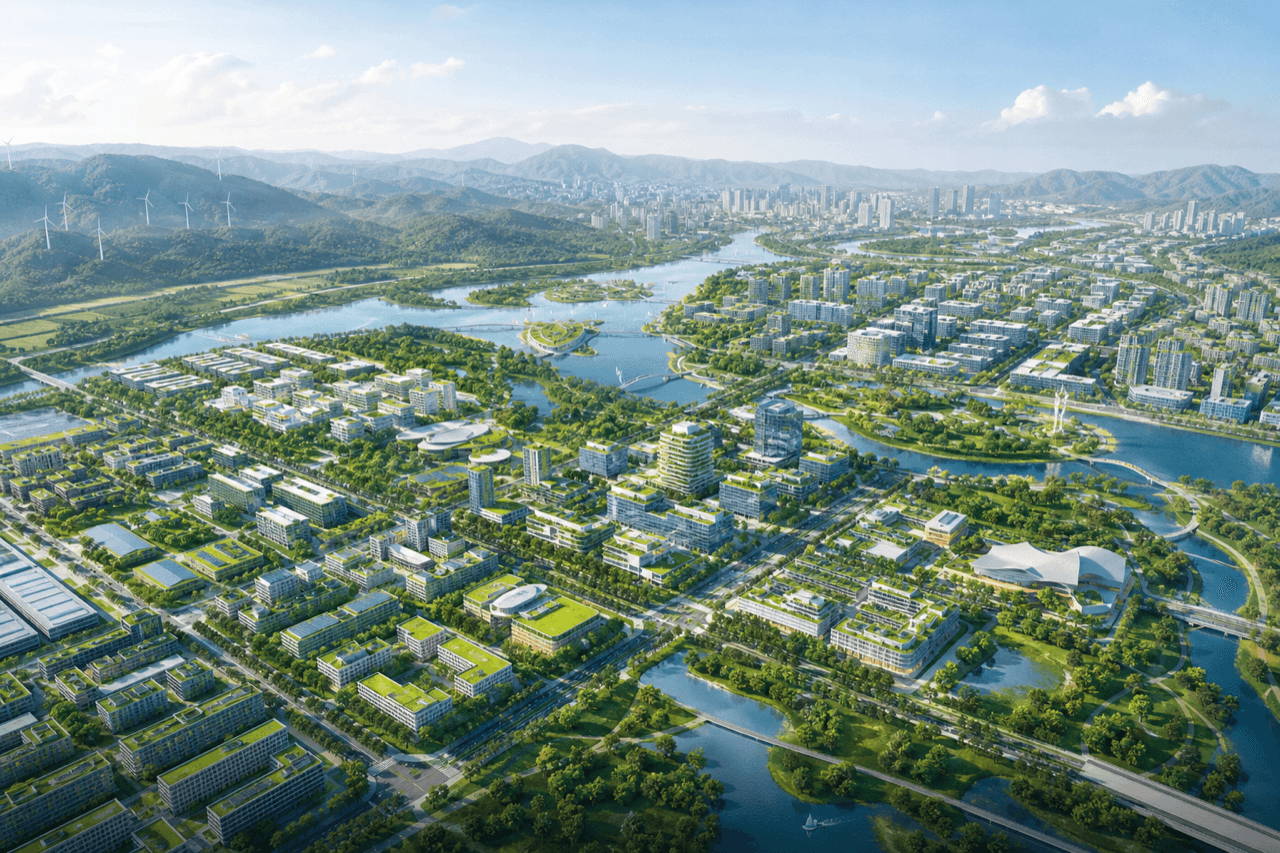
Grounded in real low-carbon development directions and the transition from site renewal to a city-wide net-zero vision.

Connects AI, eco-friendly 3D printing, electronics, recycled-material making, and STEAM learning.
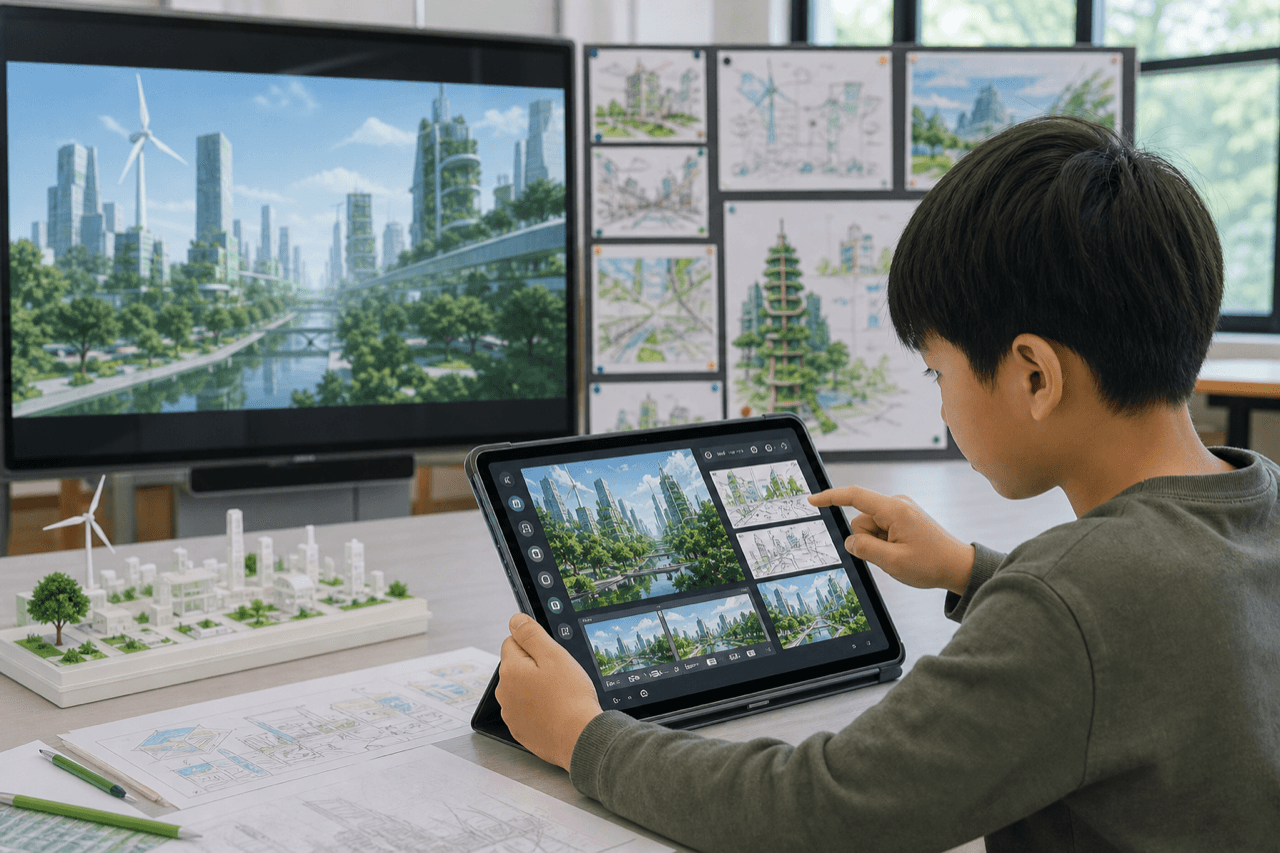
Uses DomiKids AI across ideation, concept imagery, presentation assets, and project-video production.
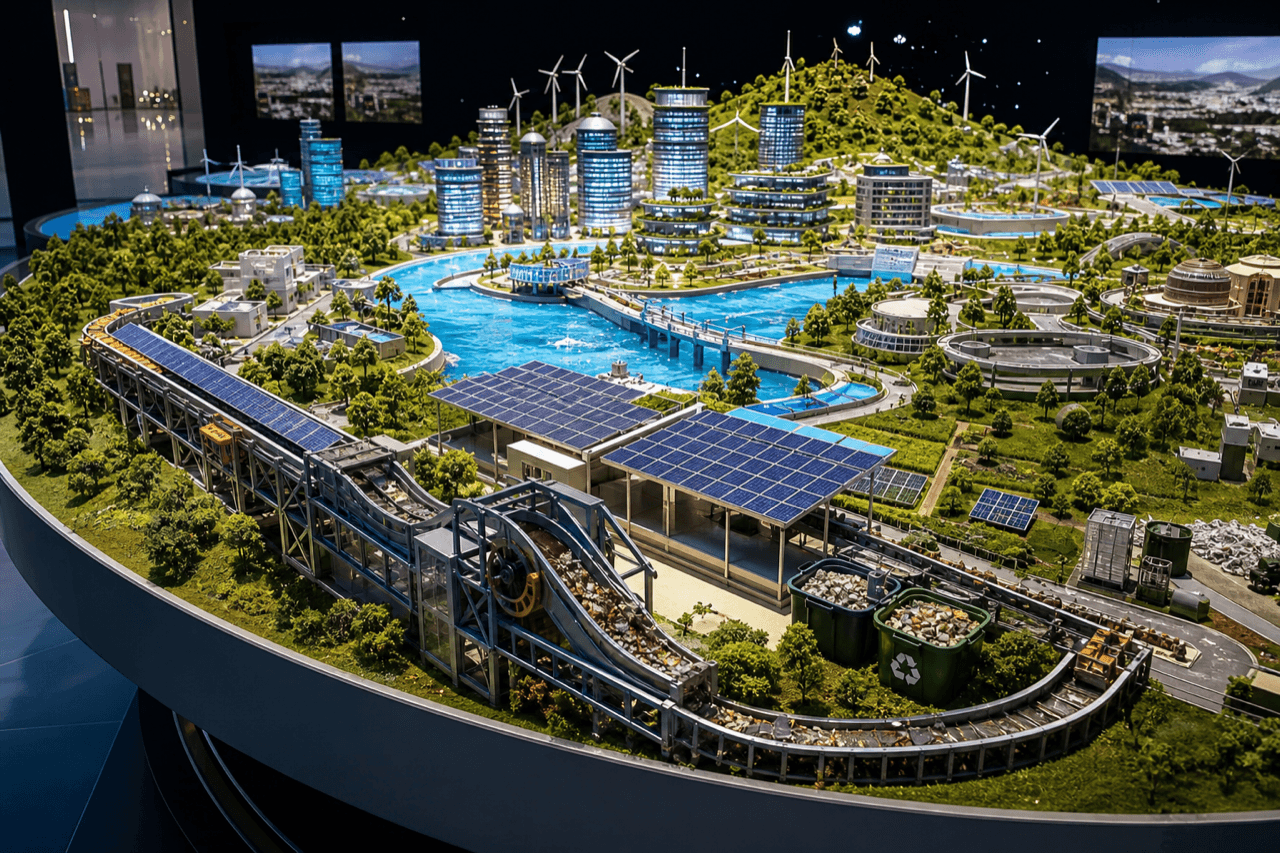
Builds a large interactive eco-city sandbox that demonstrates waste recovery, water circulation, and clean-energy supply as one system.